Dacian culture
Between the sacred mountain and the simplicity of life
In the heart of the Orăștie Mountains, among dense forests and rocks guarded by the winds, a mysterious and deeply spiritual culture flourished: Dacian culture. The Dacians were not only feared warriors, but also skilled craftsmen, wise farmers and, above all, people rooted in a deeply sacred view of the world.
The religion of the Dacians – the bond between humans and the sky
For the Dacians, life was not separate from the divine. Every corner of nature had a force, a spirit, a meaning. Their religion was not just a collection of rituals, but a living philosophy. At the centre of this belief stood Zalmoxis, an enigmatic god, sometimes considered immortal, at other times a great teacher who had withdrawn into caves to reach the truth.
The priests had a central role – they were not only intermediaries between people and gods, but also healers, astronomers, keepers of knowledge. Sarmizegetusa Regia, the spiritual and political capital of Dacia, housed circular and rectangular sanctuaries built with a precision that still raises questions – perhaps sacred geometry? perhaps lost codes?
It is believed that the Dacians did not fear death – a conviction that made them fearless in battle. For them, the soul went to Zalmoxis, to a land of light. They were, in a deep sense, connected with the sky.
Daily life – a balance between work and spirit
Far from the splendour of empires, the life of the Dacians was marked by simplicity and functionality. They lived in organised settlements, with houses of wood and stone, surrounded by agricultural terraces. They were engaged in farming, raising animals and making objects of pottery, iron, silver and gold.
Women wore garments decorated with geometric motifs, while men wore practical clothing, adapted to the mountains. Children were raised in the spirit of work, but also of respect for traditions. Every daily gesture carried a symbolism: bread broken by hand was an act of communion, and wine was an offering and a joy alike.
The communities were closely bound – leadership was in the hands of the king and the council of elders, and justice was guided by custom and oral wisdom.
Dacian symbols – the unseen language of a civilisation
Although they left us no written texts, the Dacians spoke through symbols – engraved in stone, sewn into garments, modelled in pottery. The Dacian wolf, with the body of a serpent and the head of a beast, was more than a warrior totem – it was the guardian of the spirit, the protector of the people, a messenger between worlds.
The spiral appeared often – as a representation of life, of evolution and of the eternal cycle. The sun was everywhere, as a source of life and divine light. The Dacians saw nature as a living temple, and every symbol was a key to understanding the cosmic order.
Traces of these ancient meanings are still kept today in Romanian folklore – from traditional embroidery to the legends about mystical beings and sacred places.
A culture that left traces in silence
Dacian culture did not survive in textbooks, but in the earth guarded by mountains, in the mute stones of the sanctuaries, in the stories and the houses of our grandparents. It does not speak to us directly, but it whispers to us through every symbol, through every ruin, through the mystery that still fascinates.
Perhaps it is precisely their silence that made the echo of the Dacians so strong today.
Discover Dacian culture in pictures
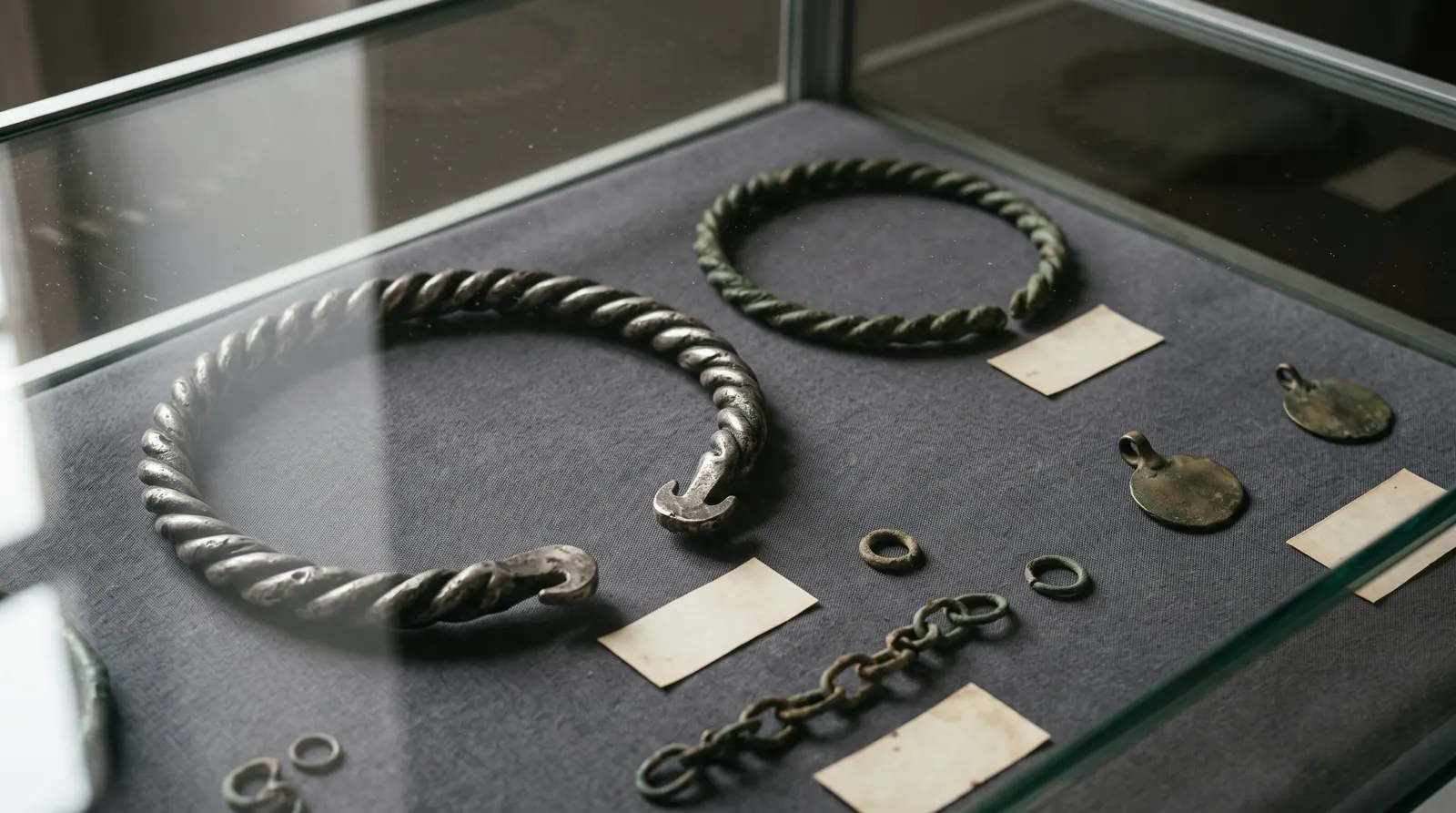
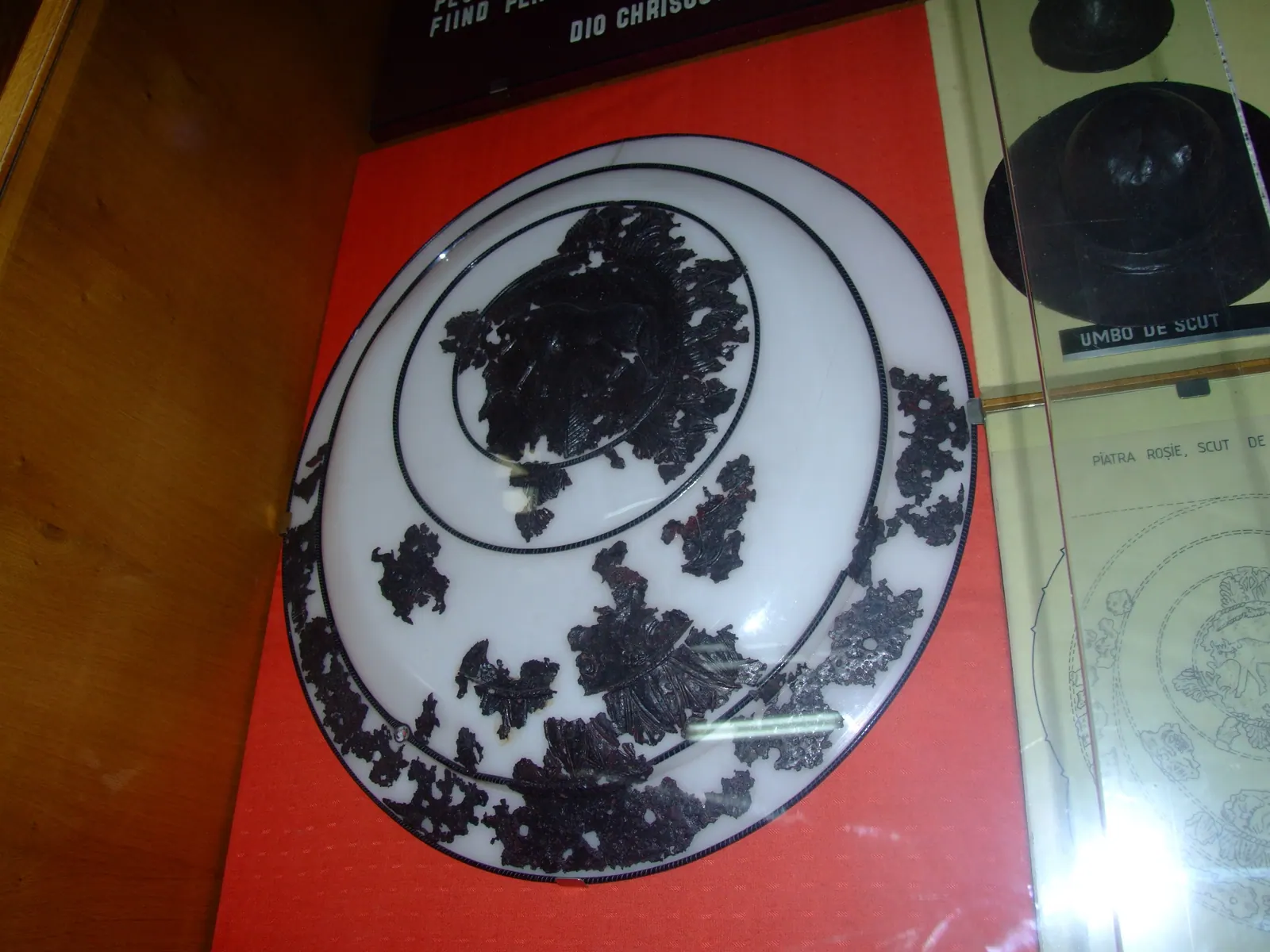
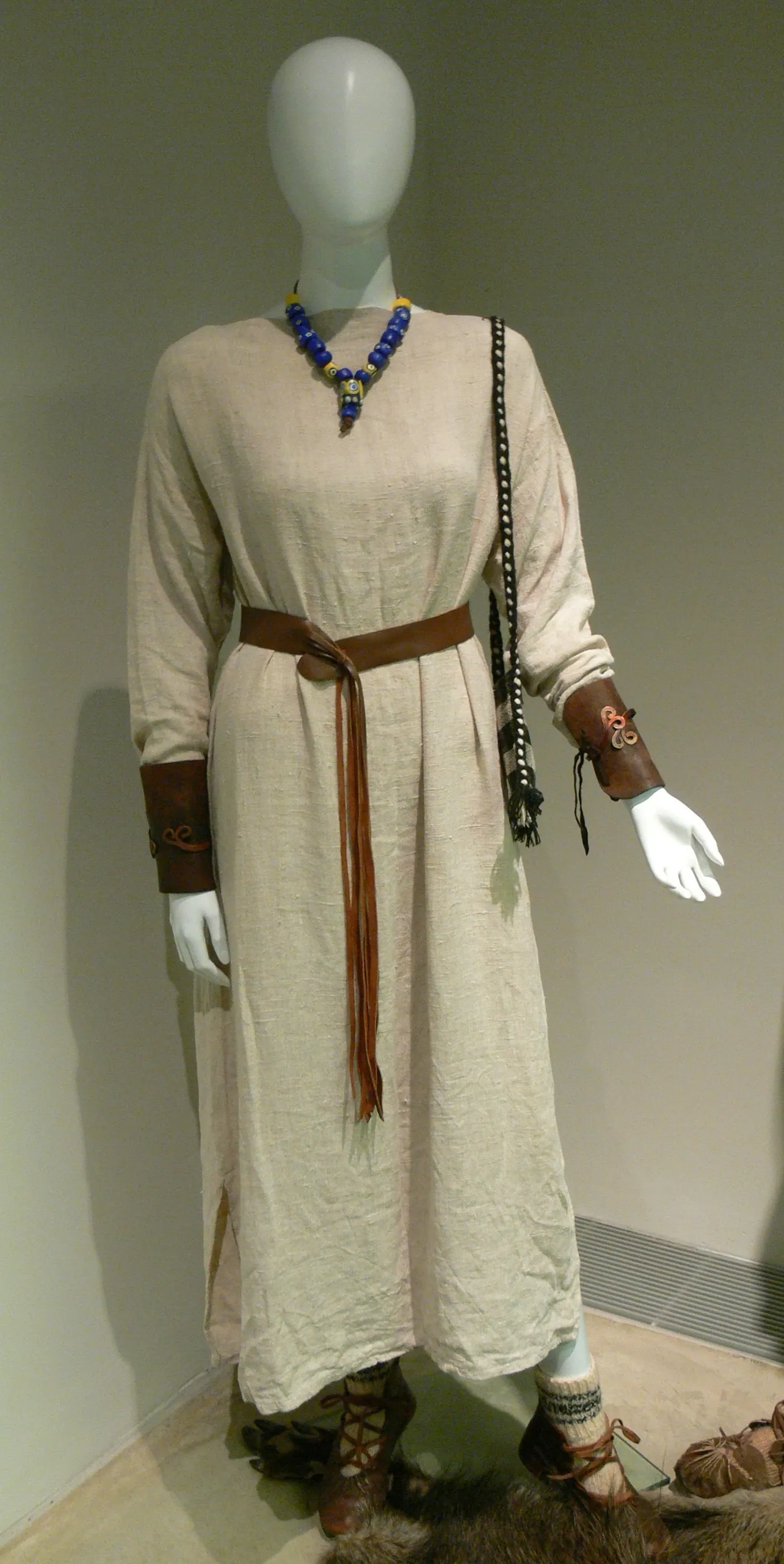
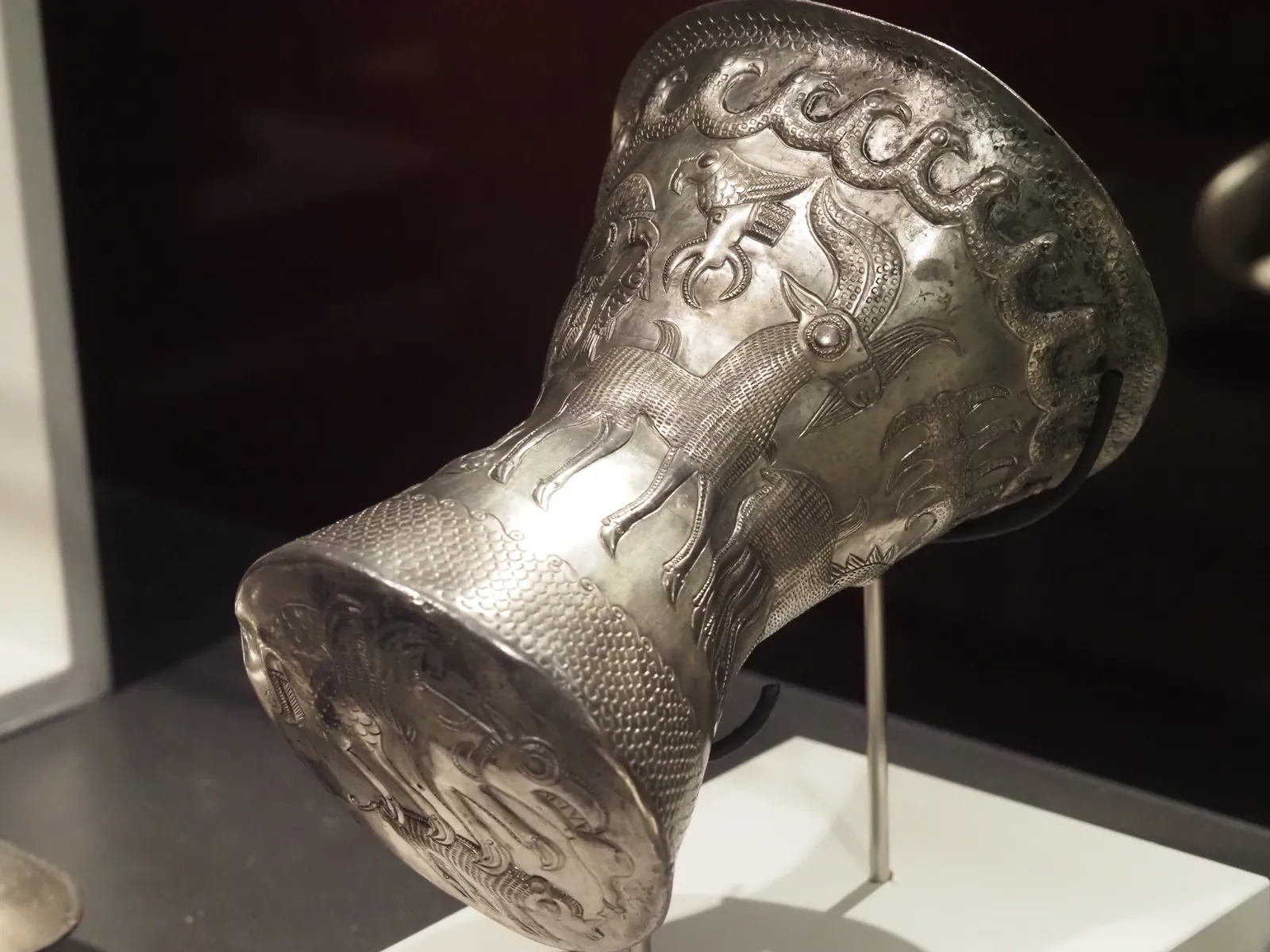
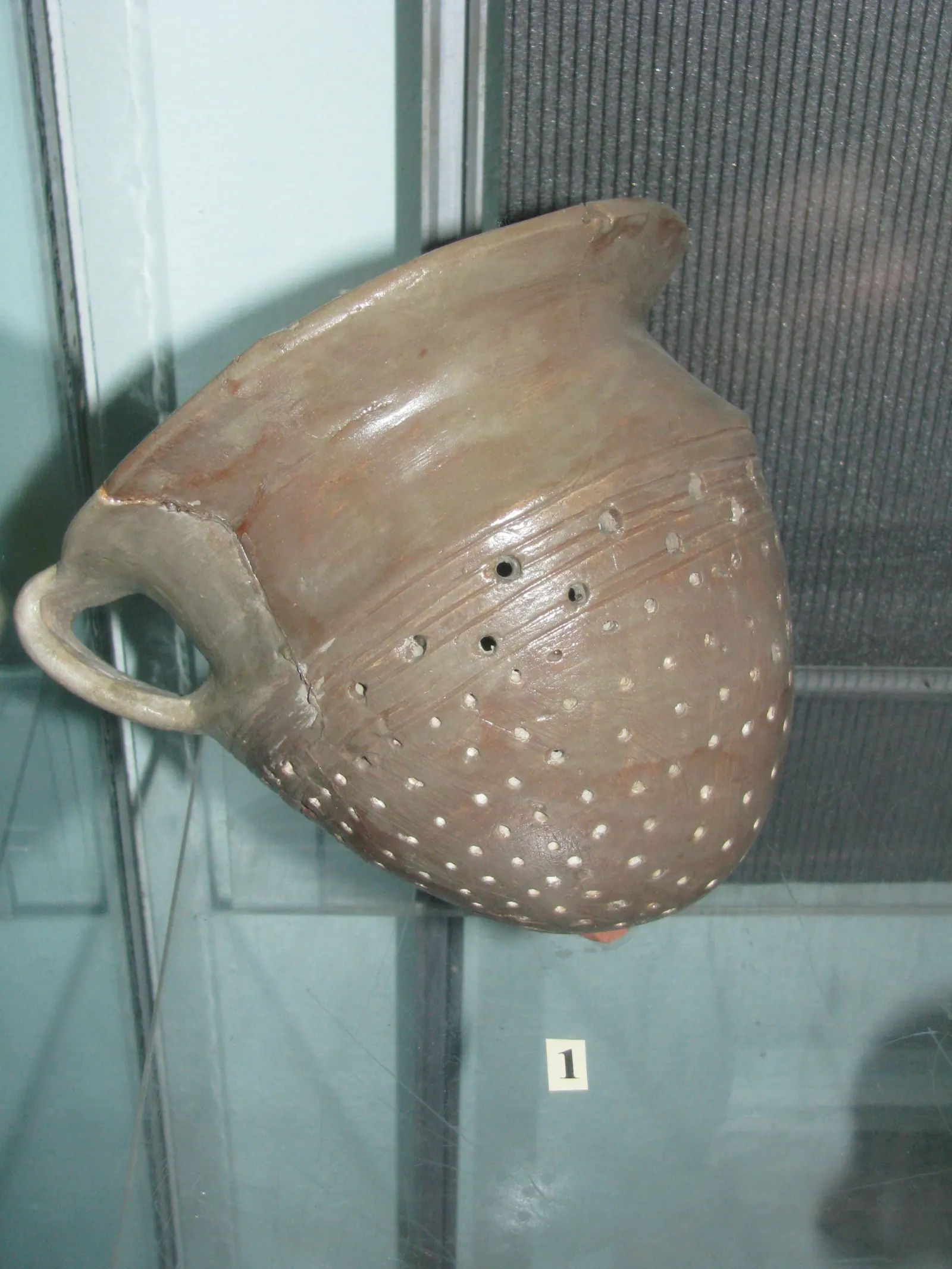
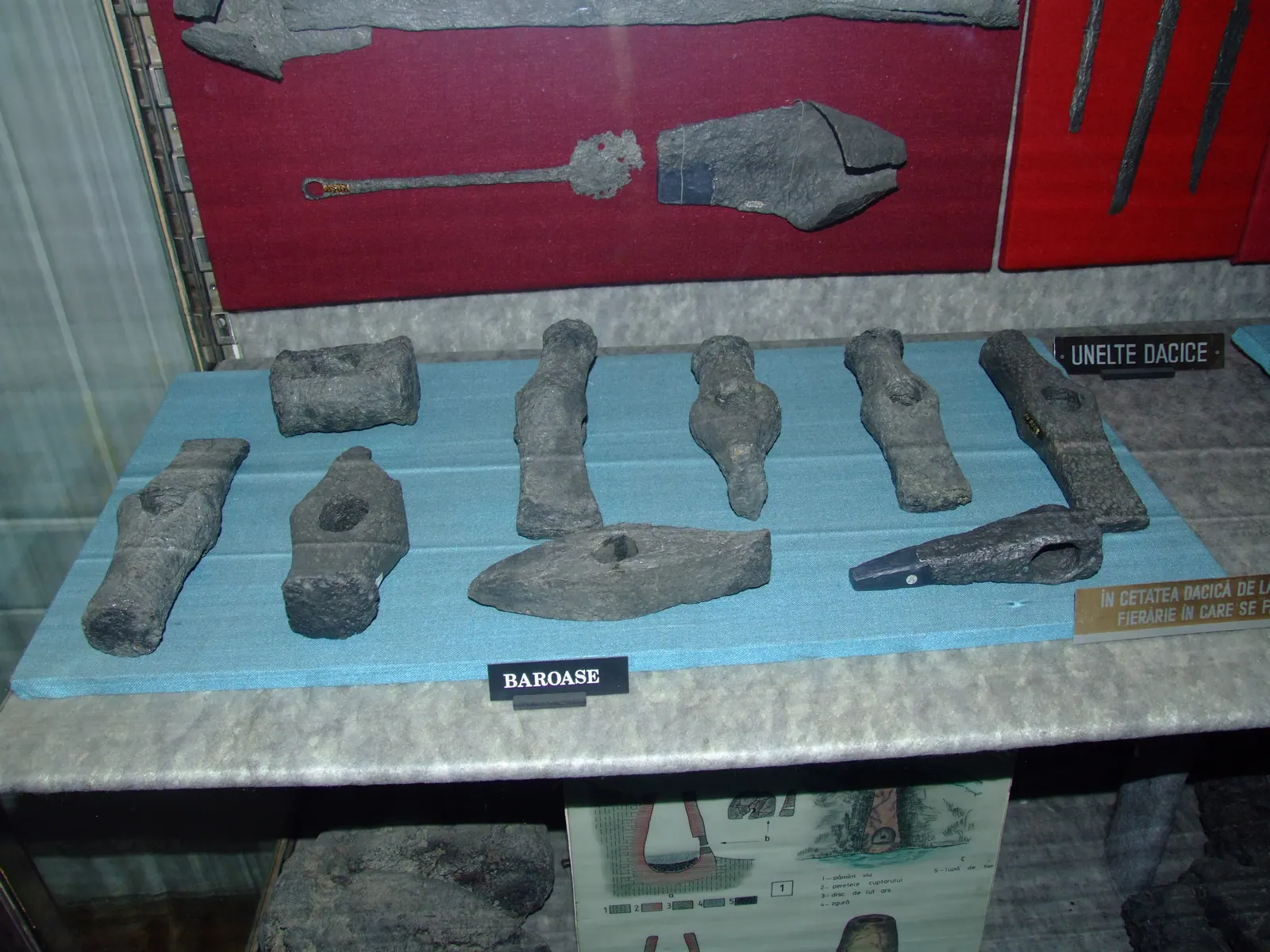
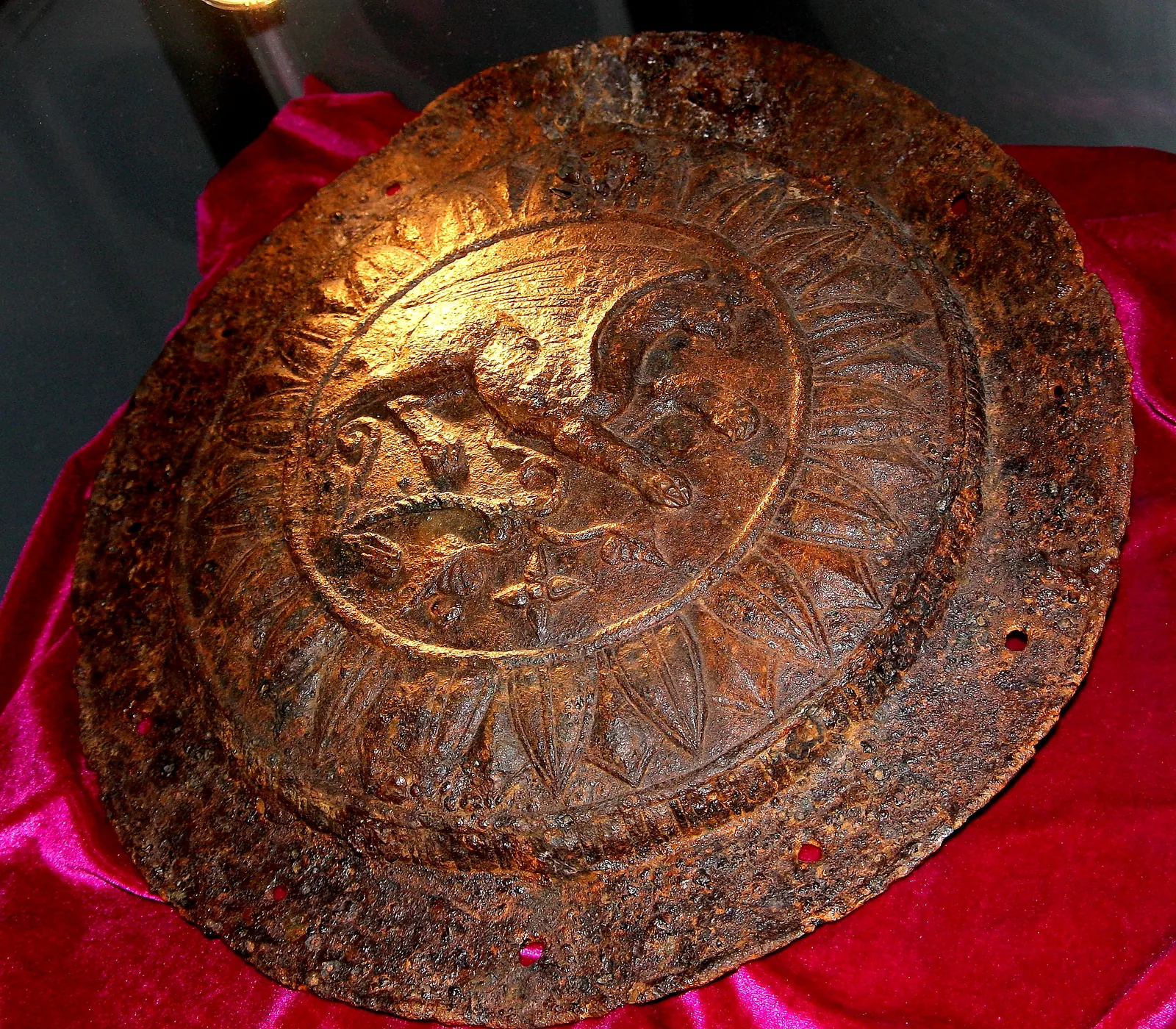
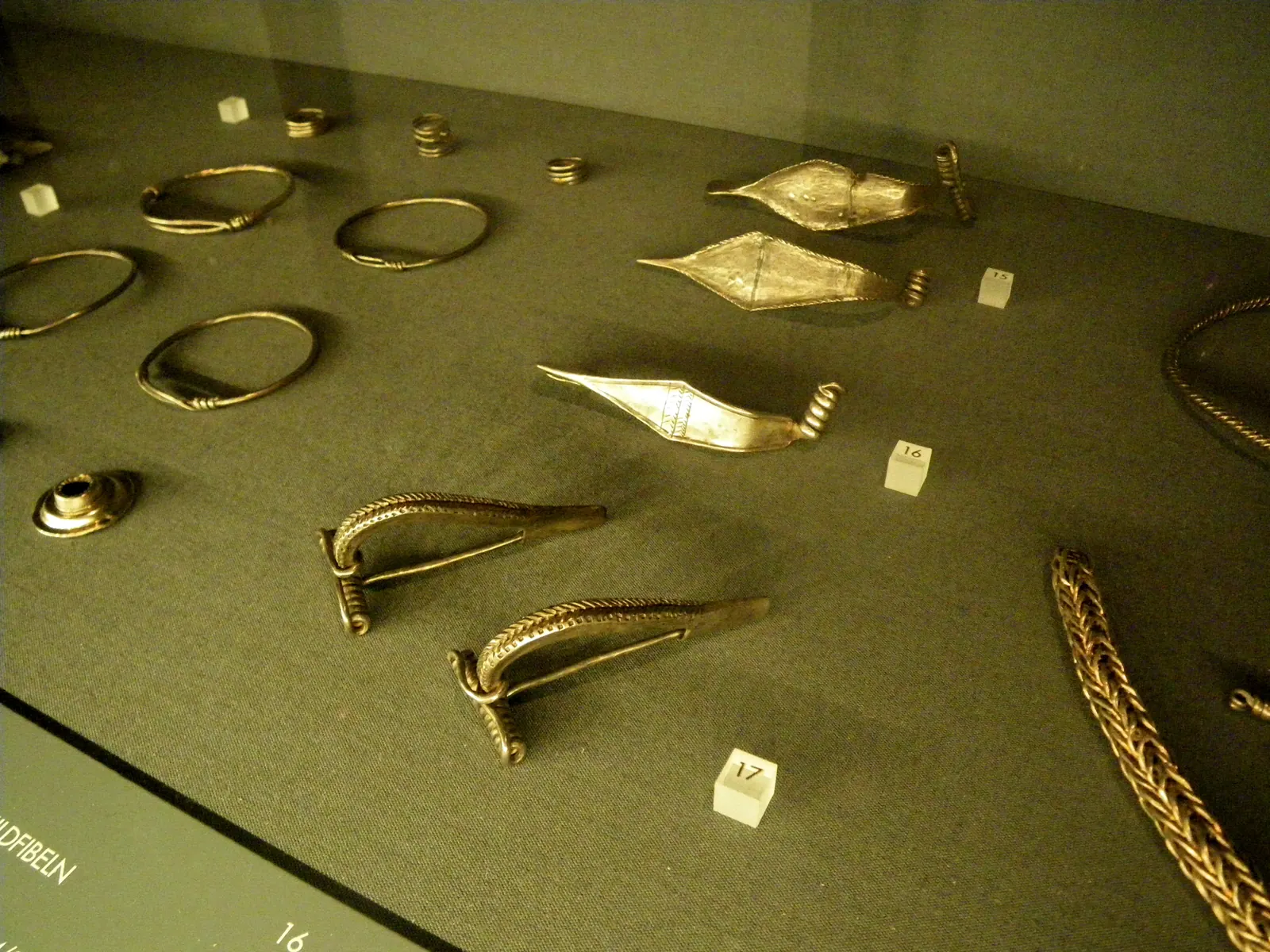
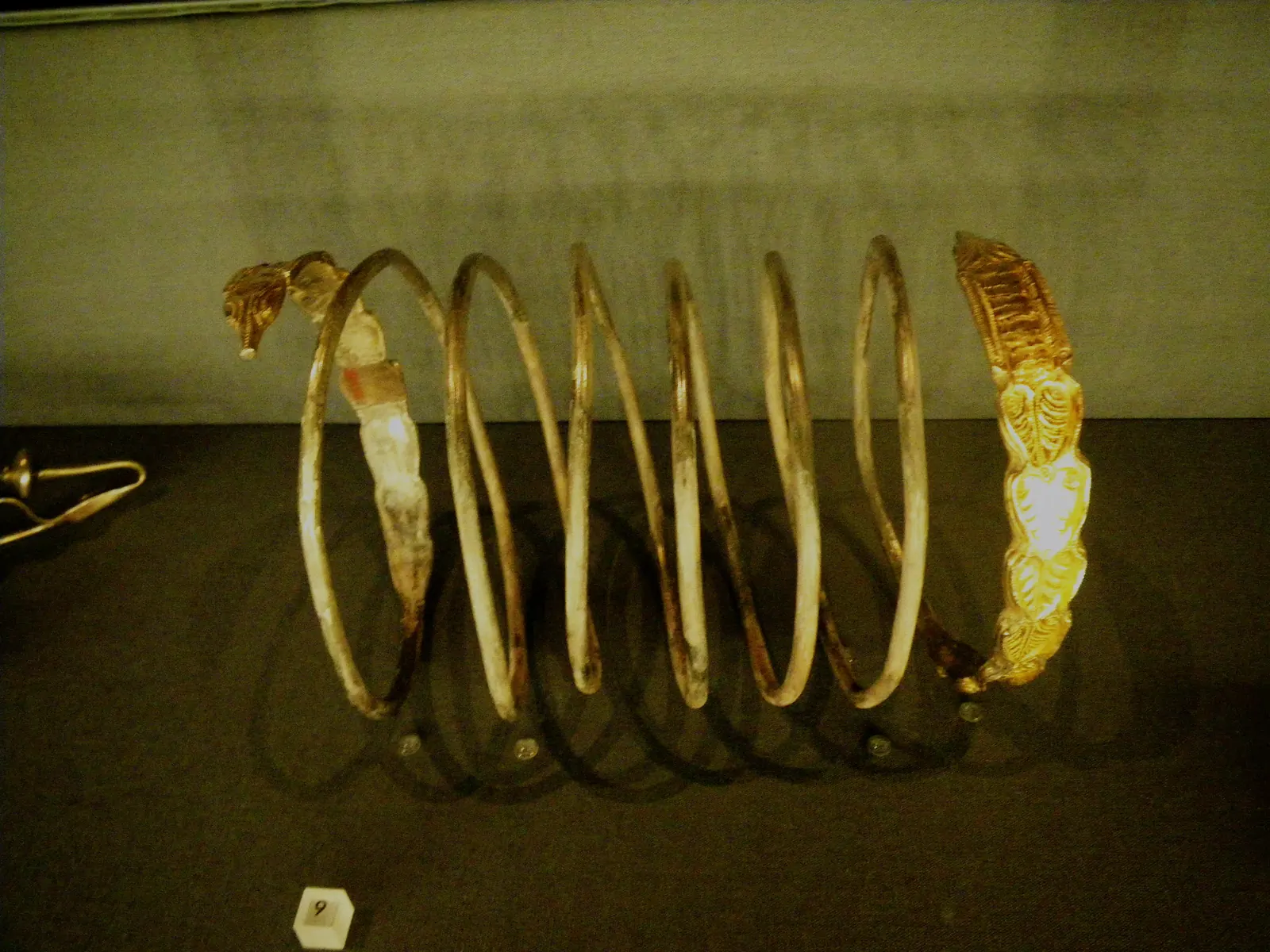
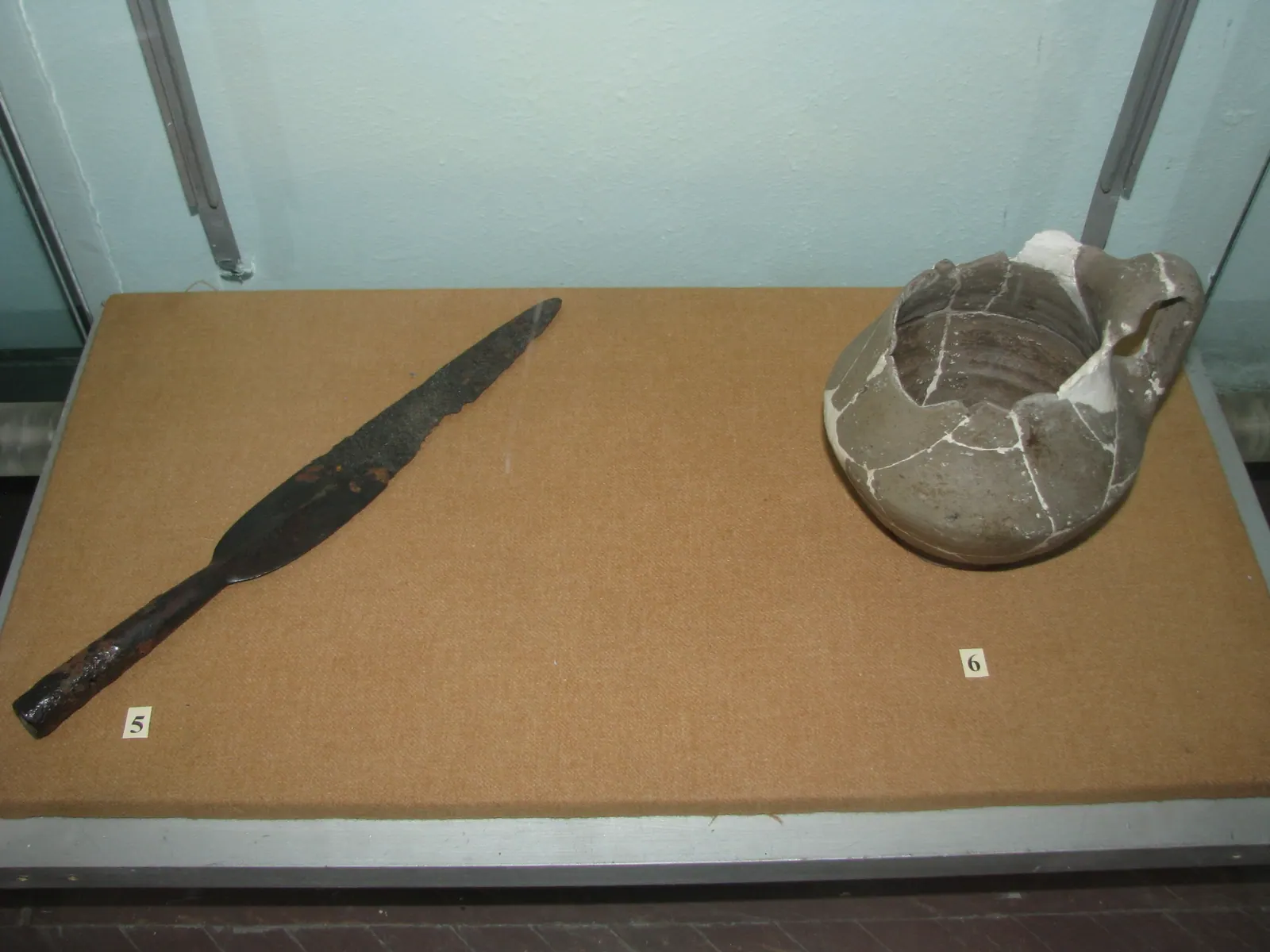
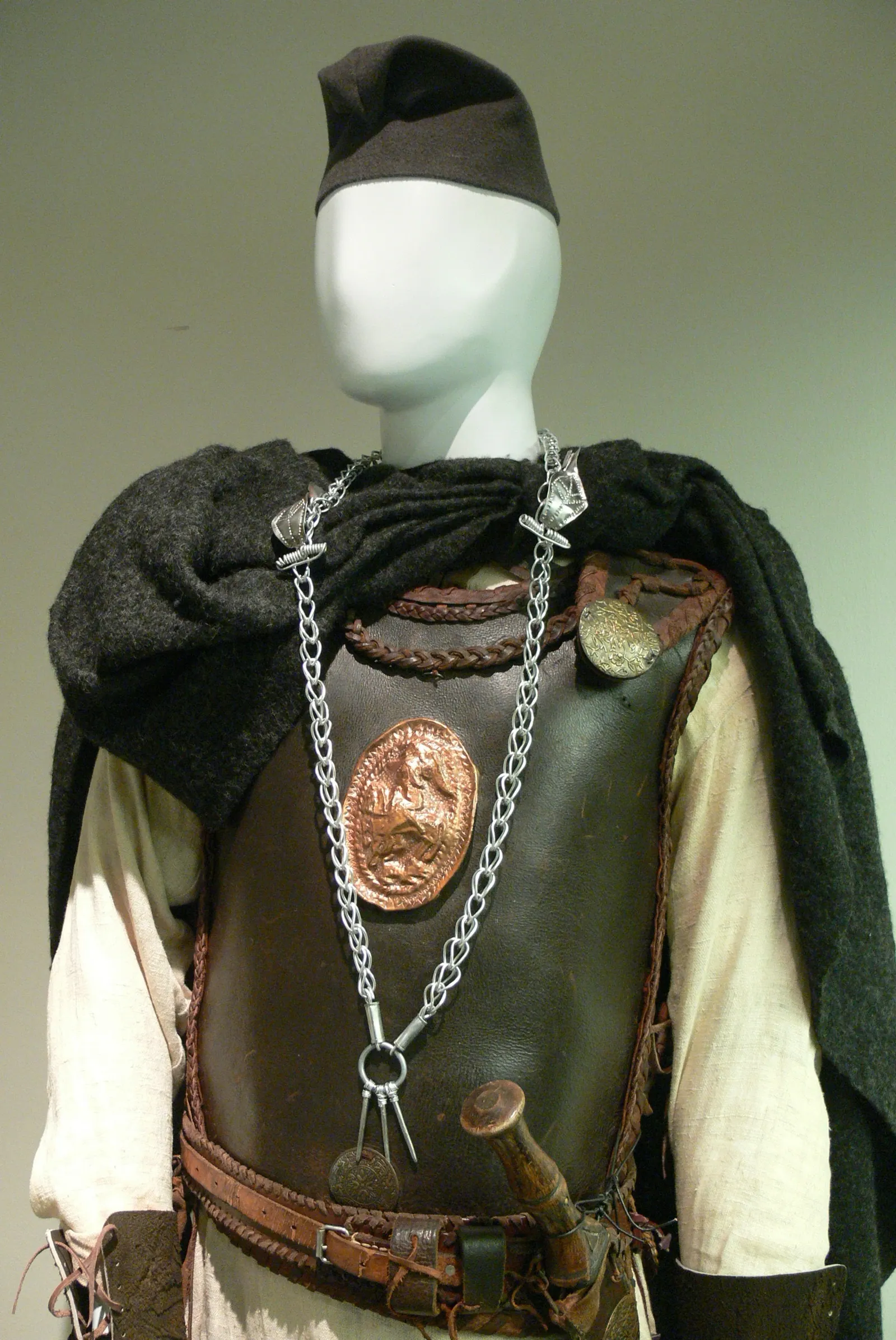
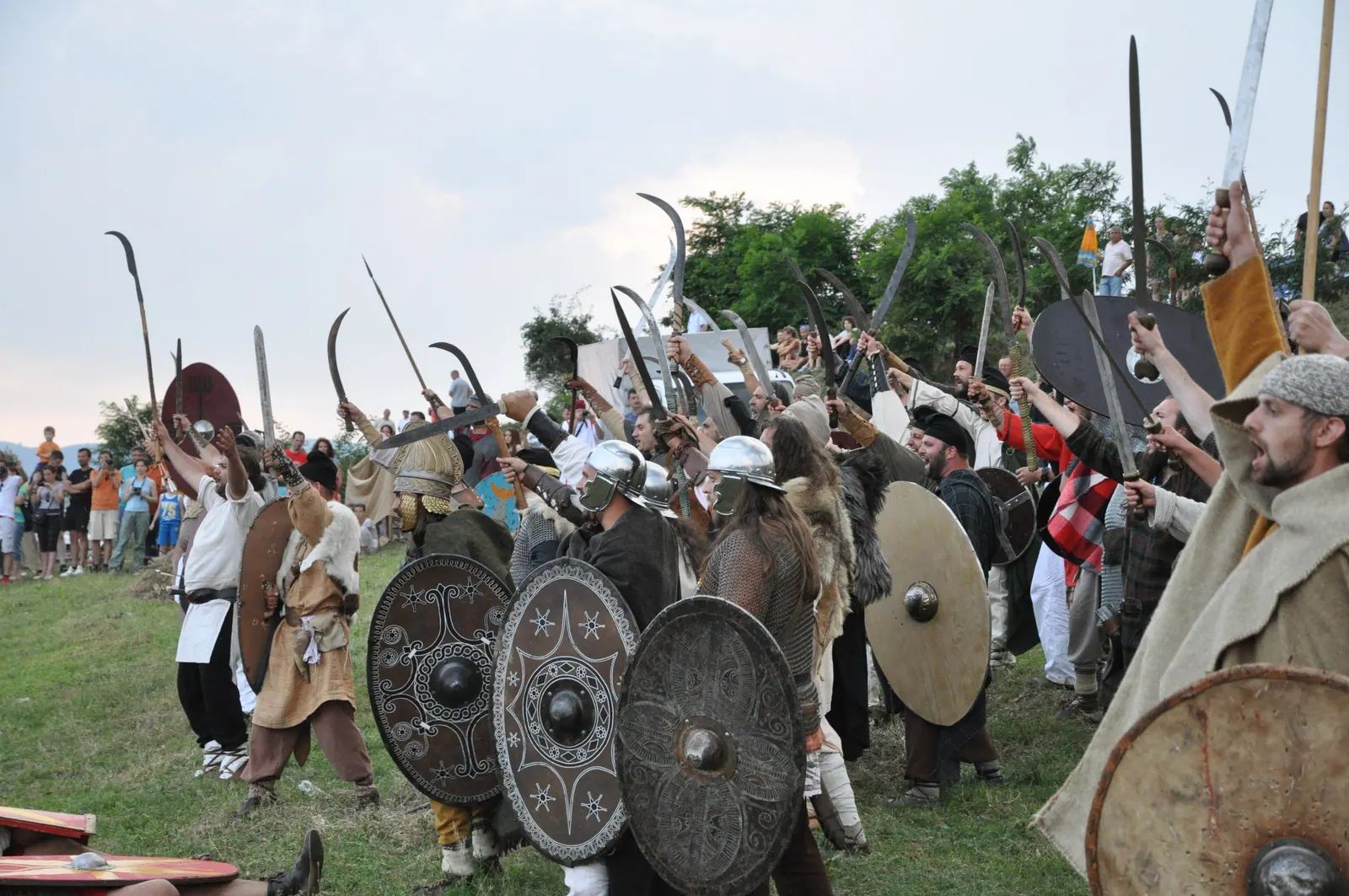
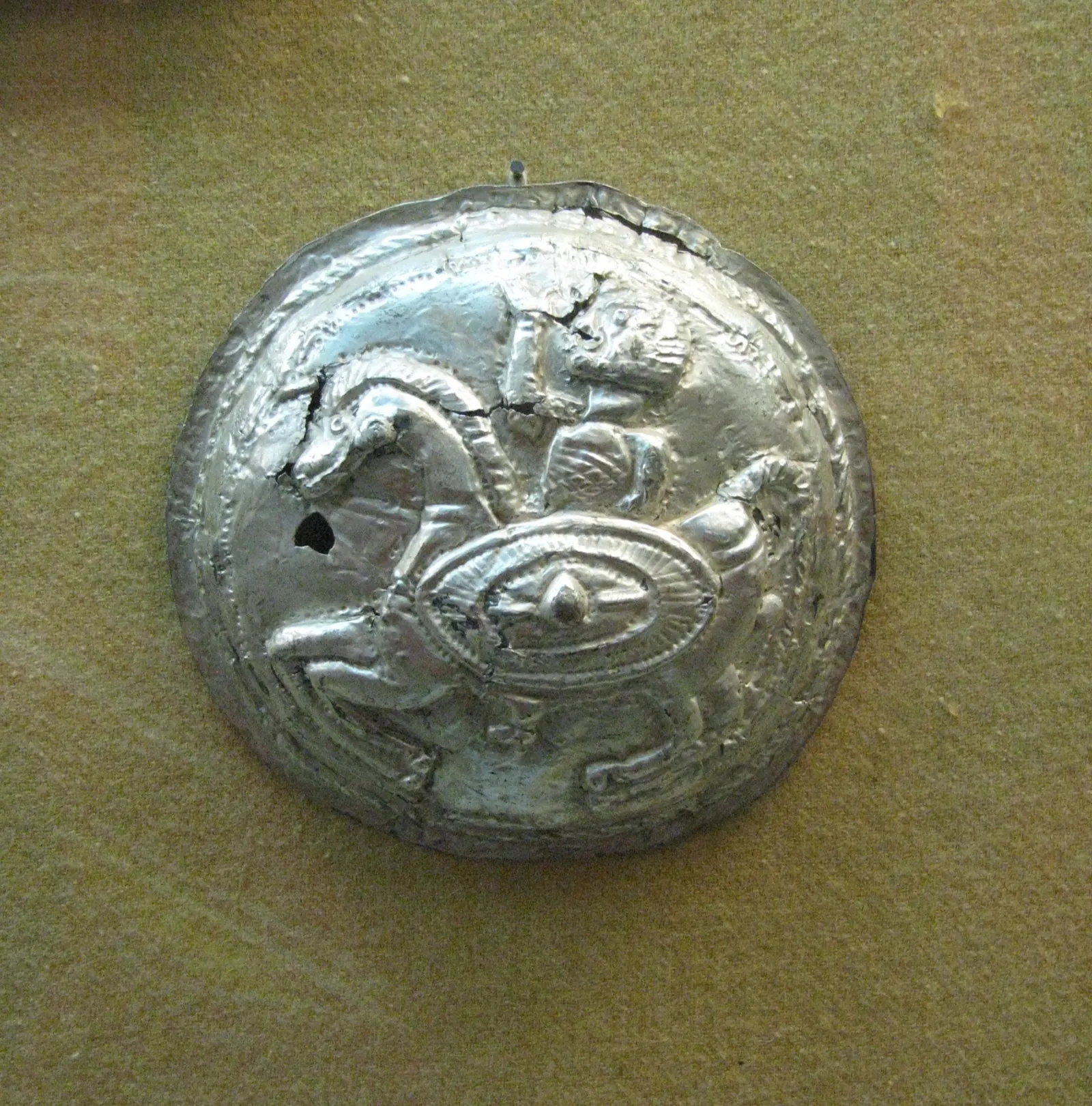
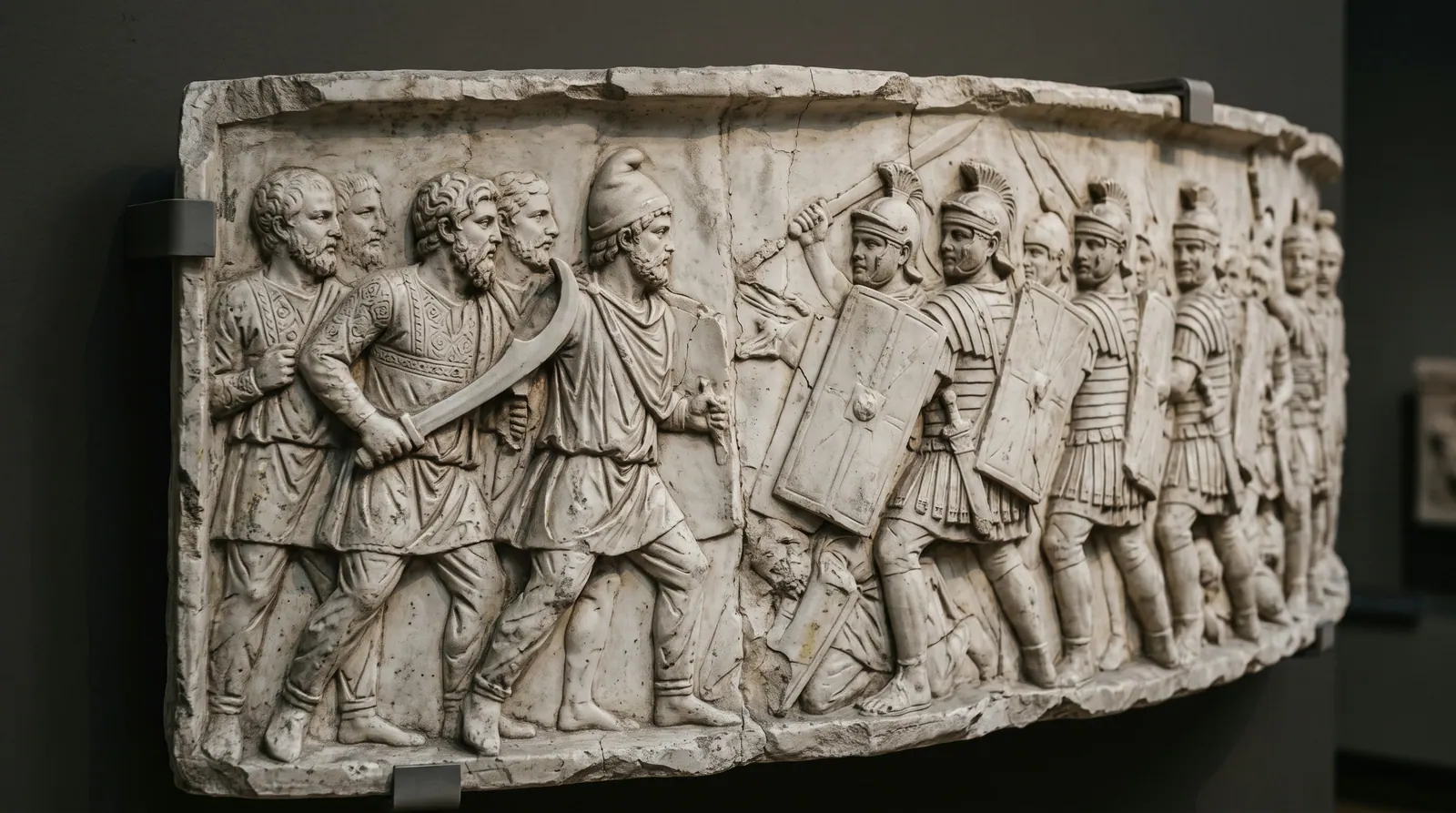
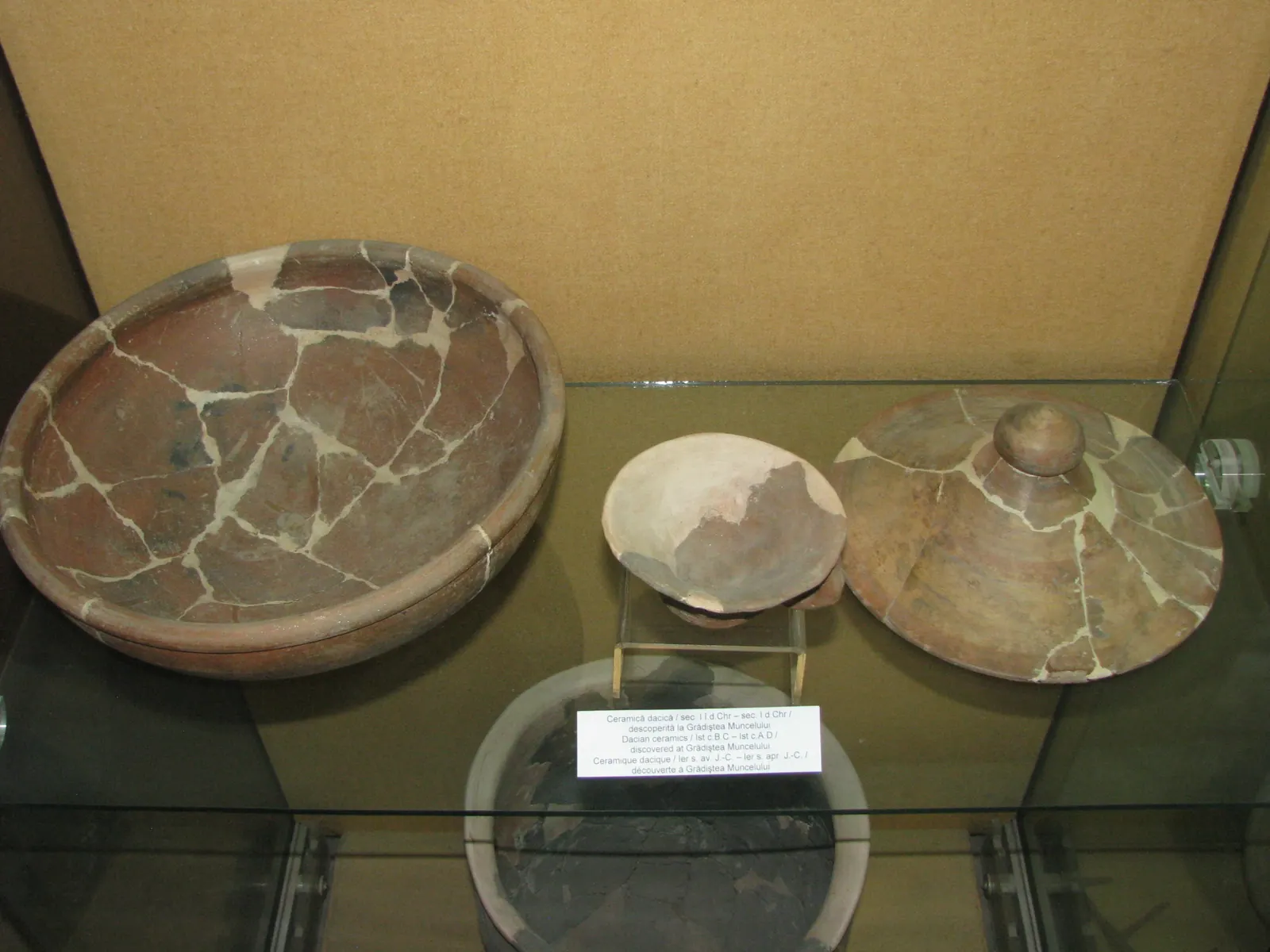
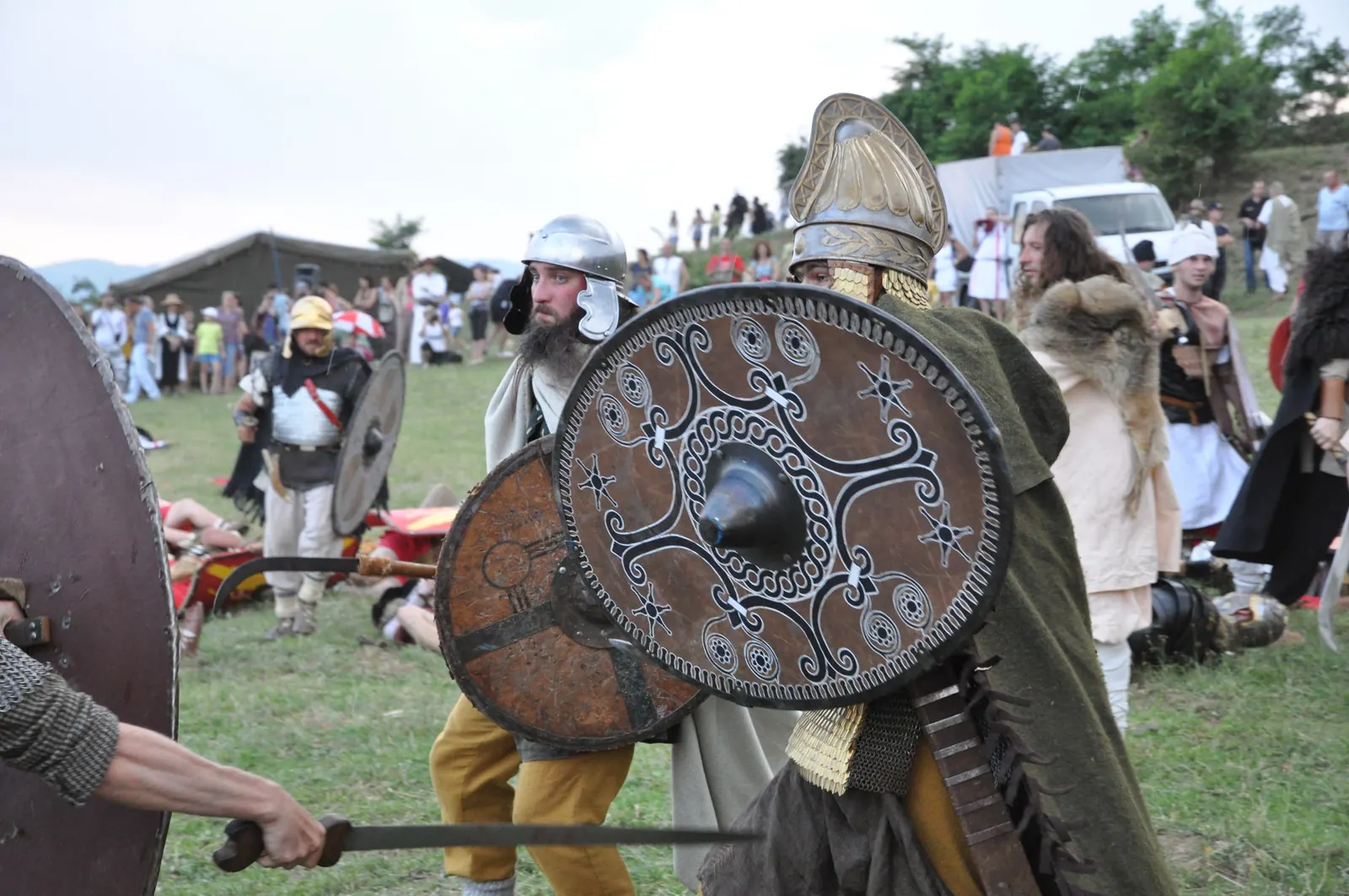
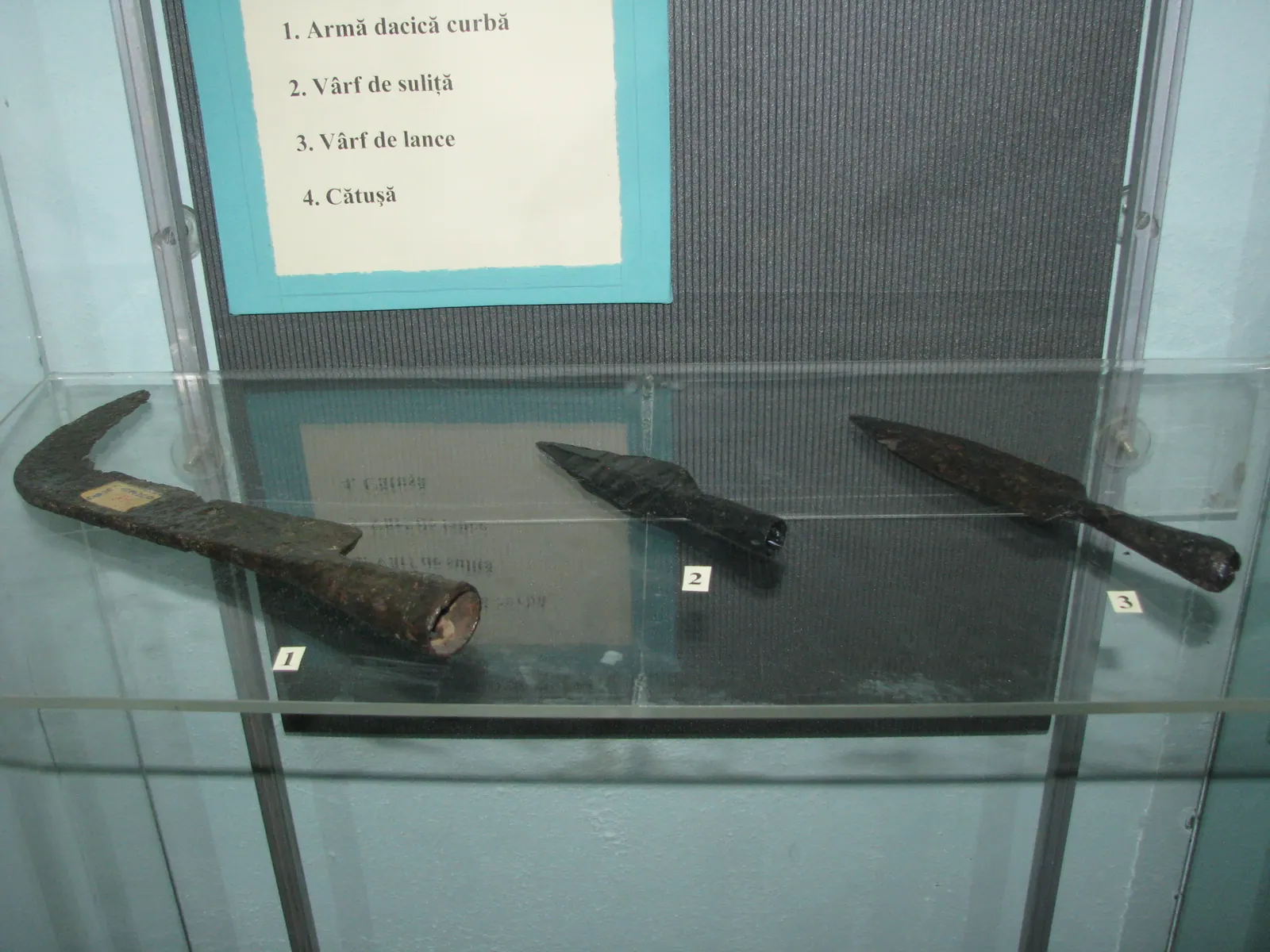
Dacian culture is not only an archaeological legacy, but a living bridge between spirit, earth and eternity.
“The culture of the Dacians was more than living – it was a bond between sky and earth, between humans and mystery.”
The experience is complete when the senses work together. Start the music and explore Dacia with an open heart, through sound, history and the spirit of a forgotten world that still whispers among ruins and legends.