
The history of Dacia and of the Dacians
A road of thousands of years, carved in mountains, legends and resistance.
The Geto-Dacian origins
The Dacians, known in ancient writings also as the Getae, are considered one of the oldest branches of the Indo-European peoples. Their ancestors settled in the area of the Carpathians and the Danube thousands of years before our era, developing a distinct culture, influenced by the neighbouring civilisations but deeply anchored in local traditions.
Herodotus described them as “the most just and the bravest of the Thracians”, and their belief in an afterlife made them famous among the ancient civilisations.
The age of Burebista – the first centralised Dacian kingdom
In the first century BC, under the leadership of king Burebista, Dacia knew an unprecedented unification. Burebista managed to unite numerous Geto-Dacian tribes under a single rule, founding a kingdom that stretched from the Balkan Mountains to the river Bug and from the Tisza to the Black Sea.
He introduced religious reforms, supported by the high priest Deceneus, and began large-scale military campaigns against the Celts and other migrating peoples. Dacia had become an important player on the geopolitical stage of the time, drawing the attention of the Roman Empire.
Decebalus and the confrontation with Rome
After the death of Burebista, the Dacian kingdom broke up, but it was reunified in the first century AD under Decebalus, a skilled and charismatic ruler. Under his reign, Dacia once again became a formidable force in the region.
Between 85–106 AD, Dacia fought two major wars against the Roman Empire, led by the emperor Trajan. Despite the heroic resistance of the Dacians, the Dacian fortresses in the Orăștie Mountains fell one after another, and in 106 AD Dacia was turned into a Roman province.
The legacy and the later influences
After the Roman conquest, Dacia became a space of synthesis between the Dacian and the Roman culture. Cities, roads, amphitheatres and baths were built, and Latin influence was imposed by force in the area, laying the foundations of the Romanian language of today.
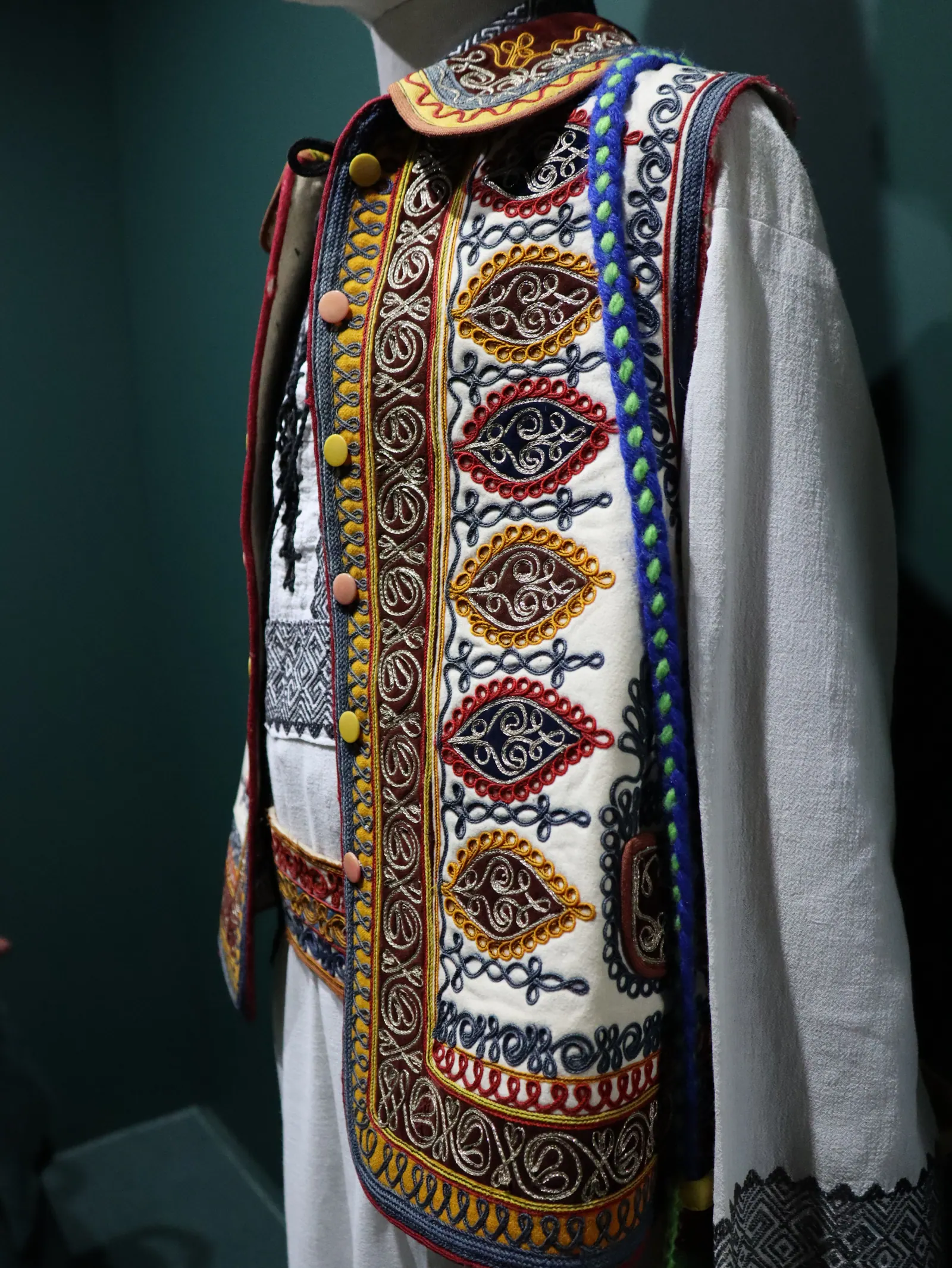
Even after the withdrawal of the Romans in 271 AD, the influence of the Dacians did not disappear. Their traditions, symbols and myths survived in folklore, art and the national consciousness of the Romanians.
Alternative chronology (as the old Explore Dacia site presented it)
Pre-Dacia
The Upper Palaeolithic in the Carpathians
The first communities of hunter-gatherers settle in Carpathian caves, leaving traces of an archaic cult of the Great Goddess. Figurines and cave paintings point to a spirituality linked to fertility and regeneration.
The appearance of the Pelasgians in the Carpathian space
The Pelasgians form farming settlements and begin building the first solar sanctuaries. The mountain becomes a sacred centre and a symbolic axis of the world.
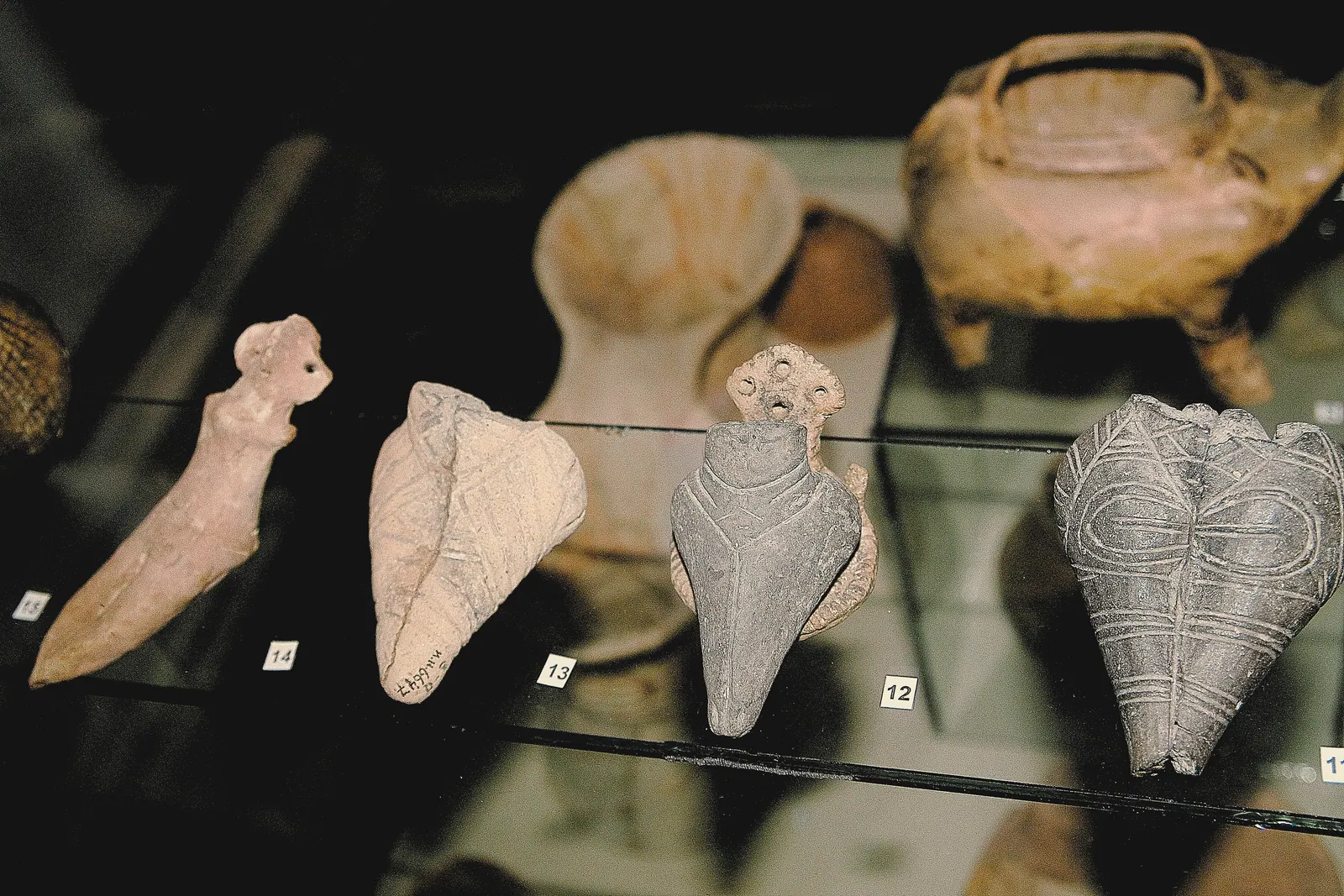
The Starčevo-Criș and Vinča-Turdaș culture
The proto-writing of Tărtăria appears, in the context of developed Neolithic civilisations. A female spiritual elite and sacred symbols in pottery take shape.
The Carpathian golden age
Centres of initiation and circular temples aligned with the solstices develop. The Carpathians are considered an energy and initiatory centre of the old world.
The spiritual aristocracy and the draco symbol
The symbol of the draco becomes the sacred mark of initiatory kingship. Power is linked to astral knowledge and the rhythms of nature.
Dacia
Zalmoxis
Zalmoxis introduces a doctrine of the immortality of the soul and of withdrawal into sacred caves. He is revered as a living god and the father of a new religion.
The Zalmoxian religion
Sanctuaries are built in the mountains and a caste of priest-astronomers forms. The religion includes initiation, reincarnation and rituals tied to the solstices.
Tribal consolidation
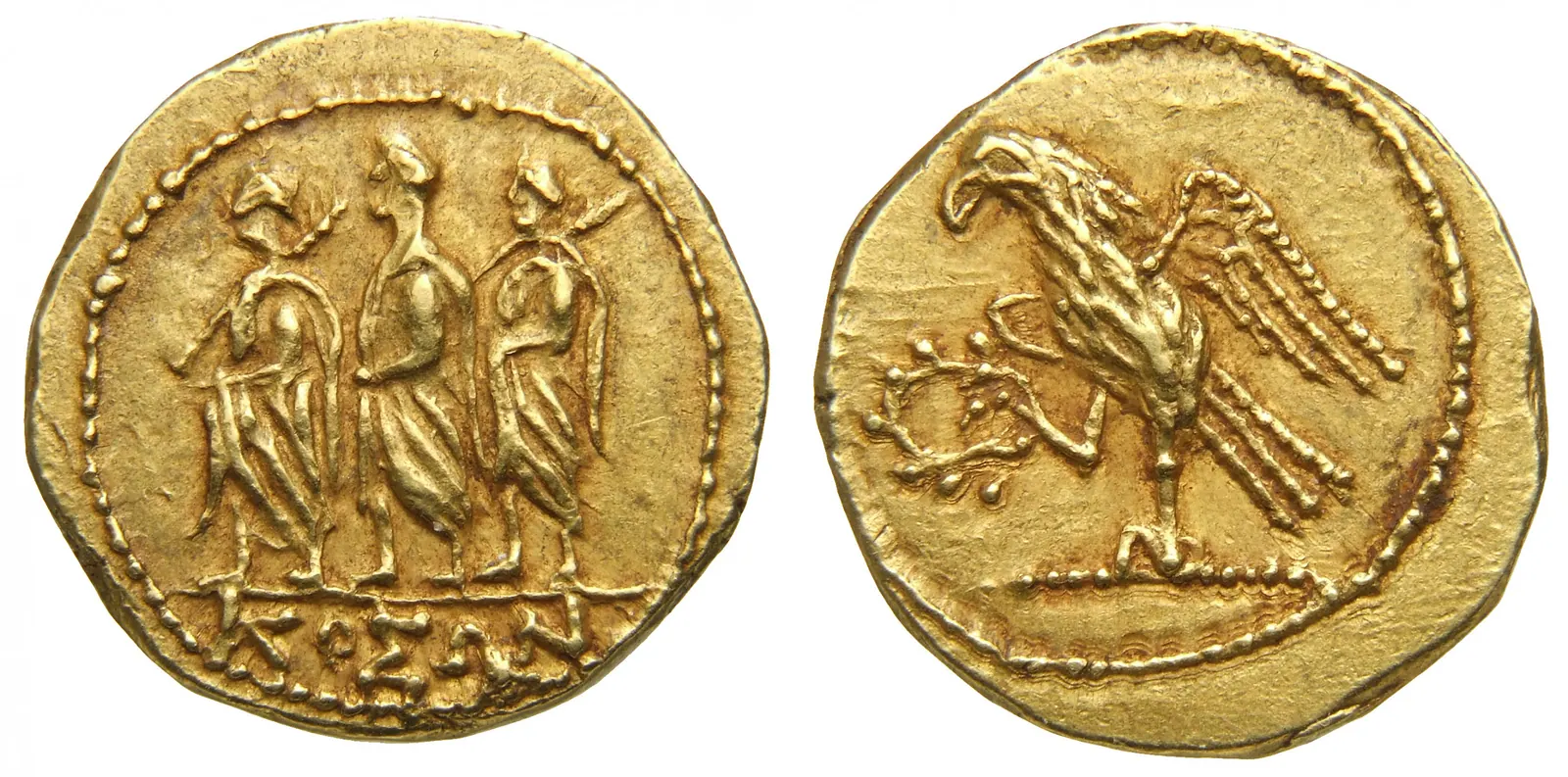
The Geto-Dacian tribes unite against the Celts and the Scythians. Relations with the Greek world influence symbolism and culture.
Burebista
Burebista unifies Dacia under his own leadership and that of the priest Deceneus. Spiritual reforms and the ban on wine mark the sacred rebirth of the kingdom.
The death of Burebista
After his death the kingdom breaks up, but the sacred temples remain active. A period of religious and political reorganisation begins.
Comosicus
Comosicus, an initiate and astrologer, rules as priest-king. He continues the Zalmoxian line and governs by sacred laws.
Conflicts with Rome
The Dacians defend their territories and sanctuaries against Roman pressure. The conflict also becomes a struggle between two spiritual worlds.
Decebalus
Decebalus rebuilds the fortresses and rules with intelligence and spiritual initiation. He asserts himself as the protector of the Zalmoxian tradition.
The Dacian Wars
The fighting between Decebalus and Trajan takes place against the background of a sacred resistance. In 106 AD Dacia is defeated, but the spiritual legacy remains.
Roman Dacia
The Romans build syncretic temples and adopt Zalmoxian symbols. The old traditions continue in isolated areas and through popular rituals.
The free Dacians
The tribes outside the province keep the ancient cult alive. The rituals mix with Thraco-Getic and Eastern influences.
The Aurelian withdrawal
Aurelian withdraws the Roman administration, but the native population remains. The sacred centres are reactivated, and the initiatory tradition continues in secret.
Post-Dacia
The tradition endures
In the mountains and villages, the old beliefs are kept in a cryptic form. Rituals tied to nature, light and ancestors persist under Christian appearances.
Popular and syncretic Christianity
Christianity is adapted to the Daco-Getic mythological structure. Dacian feasts, rituals and symbols are reinterpreted in a Christian key.
Folklore
The winter customs, the carols, the doinas and the incantations become coded forms of a mystical Daco-Getic tradition. They are kept in the isolated villages of the mountains.
Densușianu and Hasdeu
Through works and lectures, they revive the myth of Dacianism and of Hyperborea. Dacia becomes the symbol of a spirituality that is lost, but alive.
The spiritual rediscovery
Modern schools rediscover the Zalmoxian traditions and the role of the Carpathians as a sacred space. National identity is once again tied to mystical roots.
The Dacian heritage in pictures
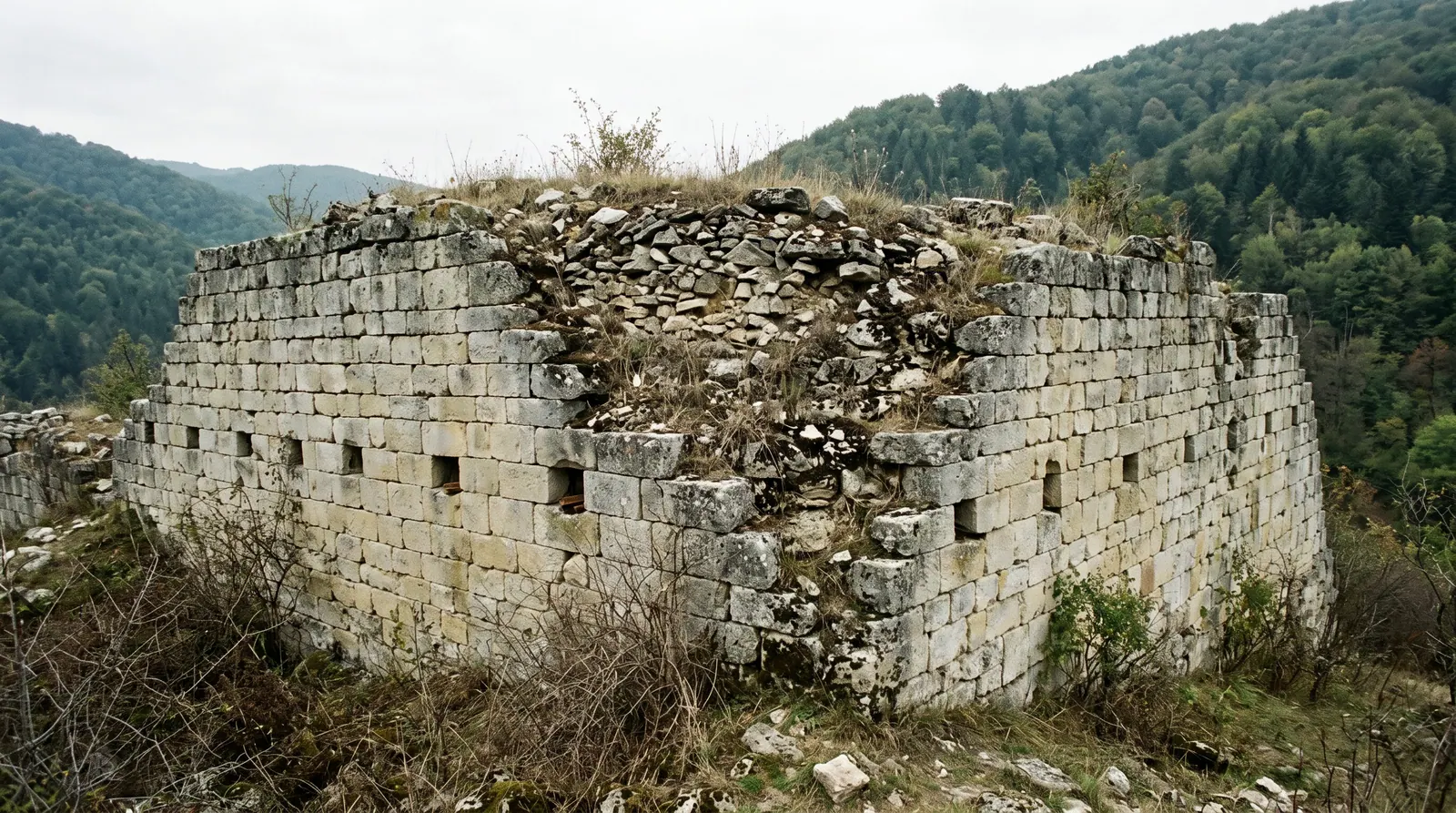
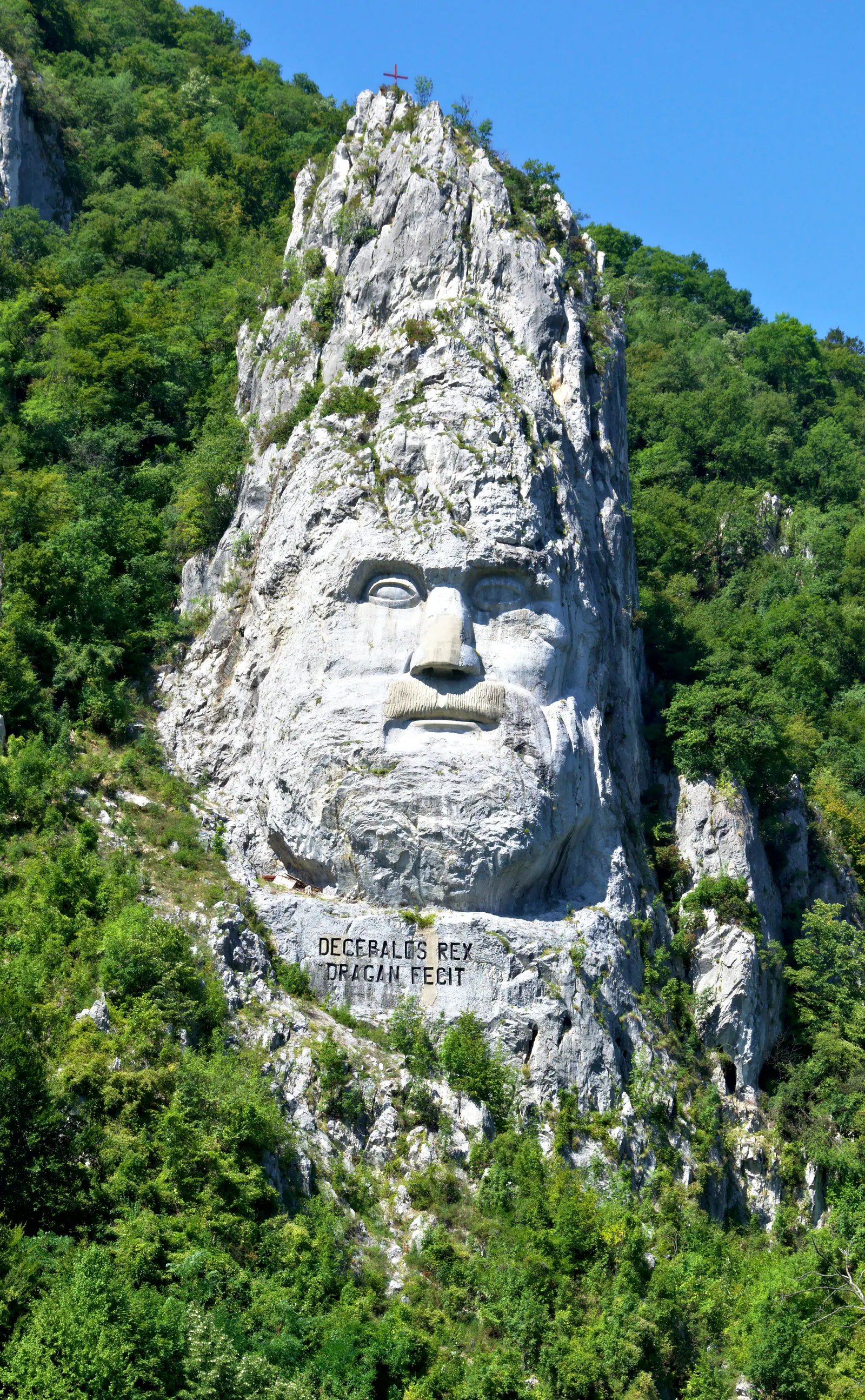
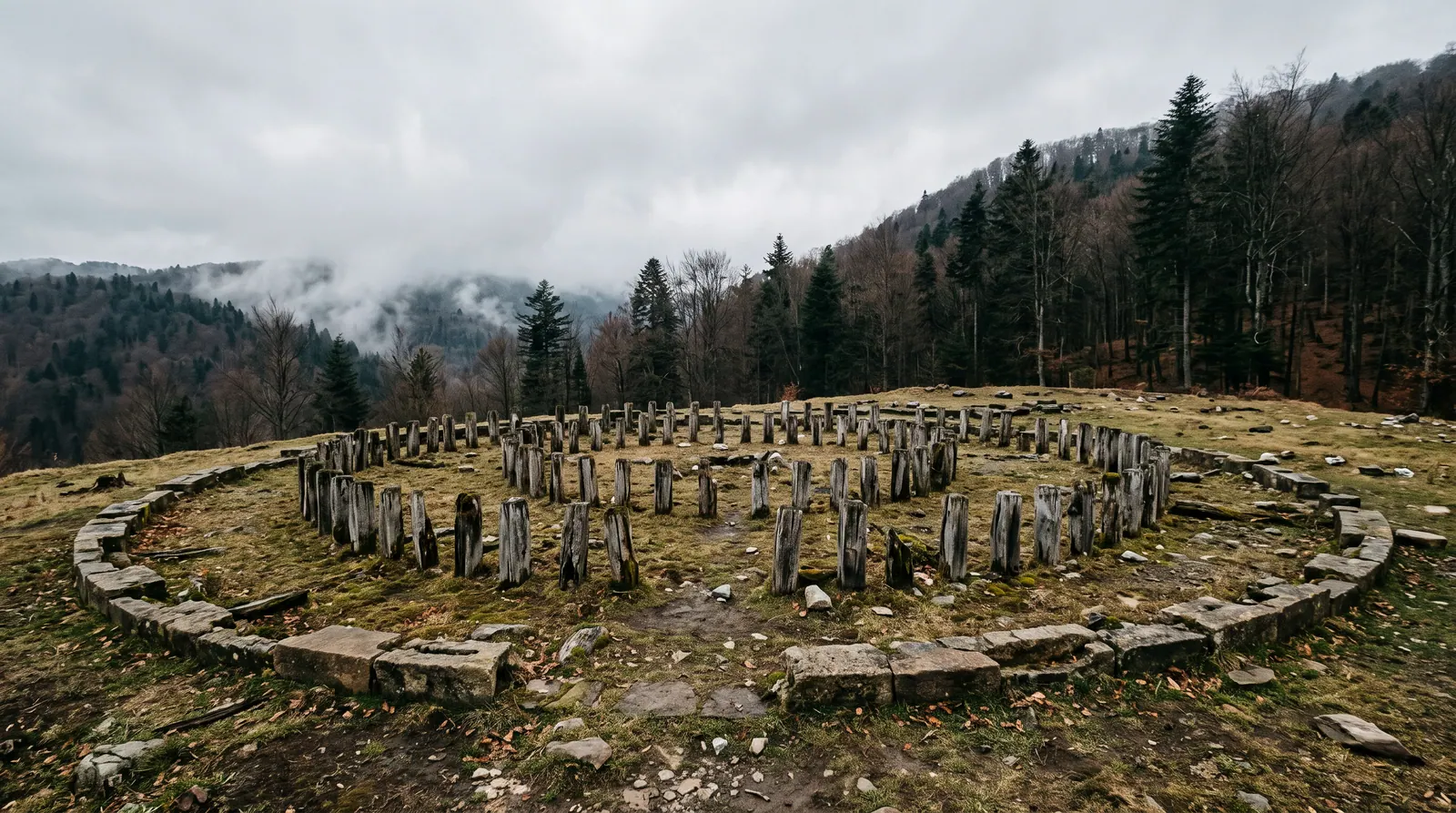
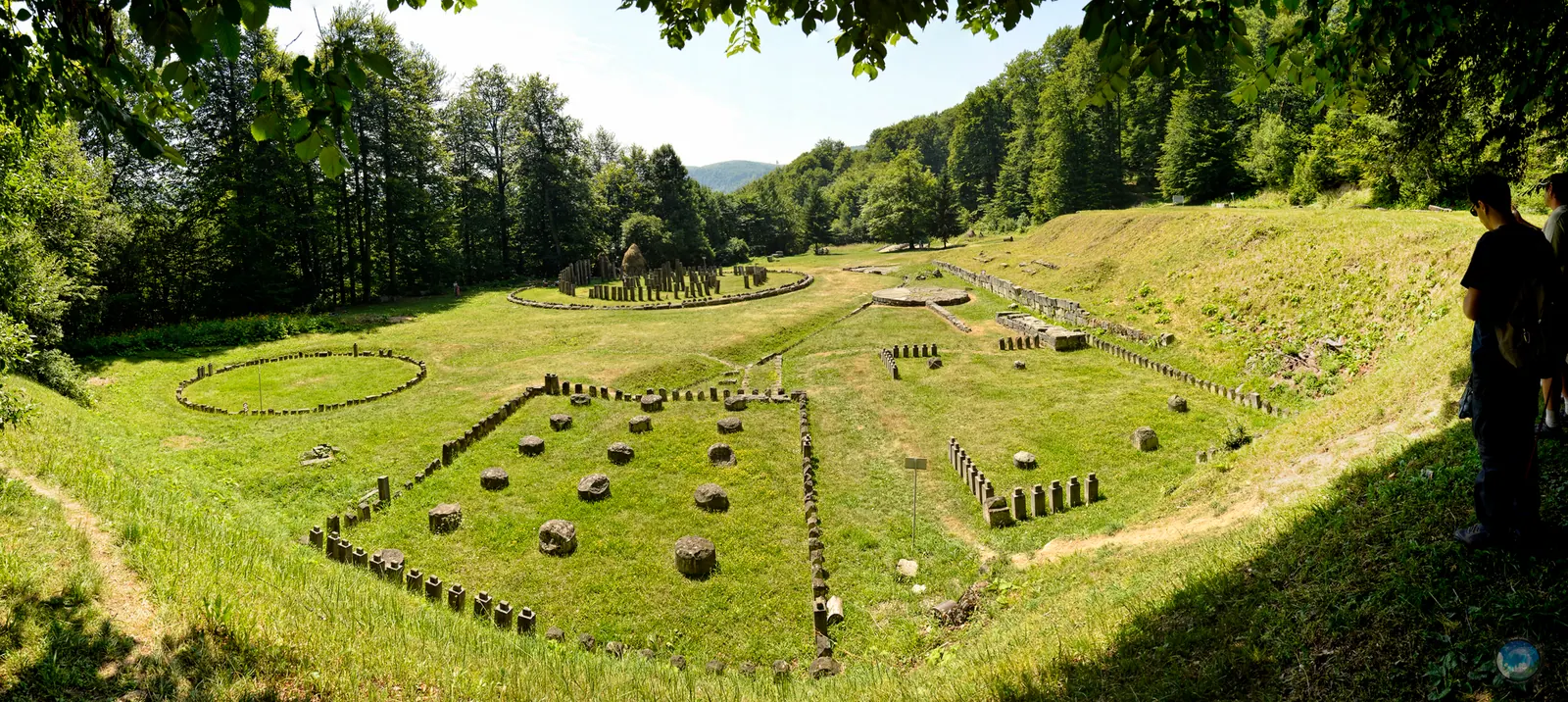
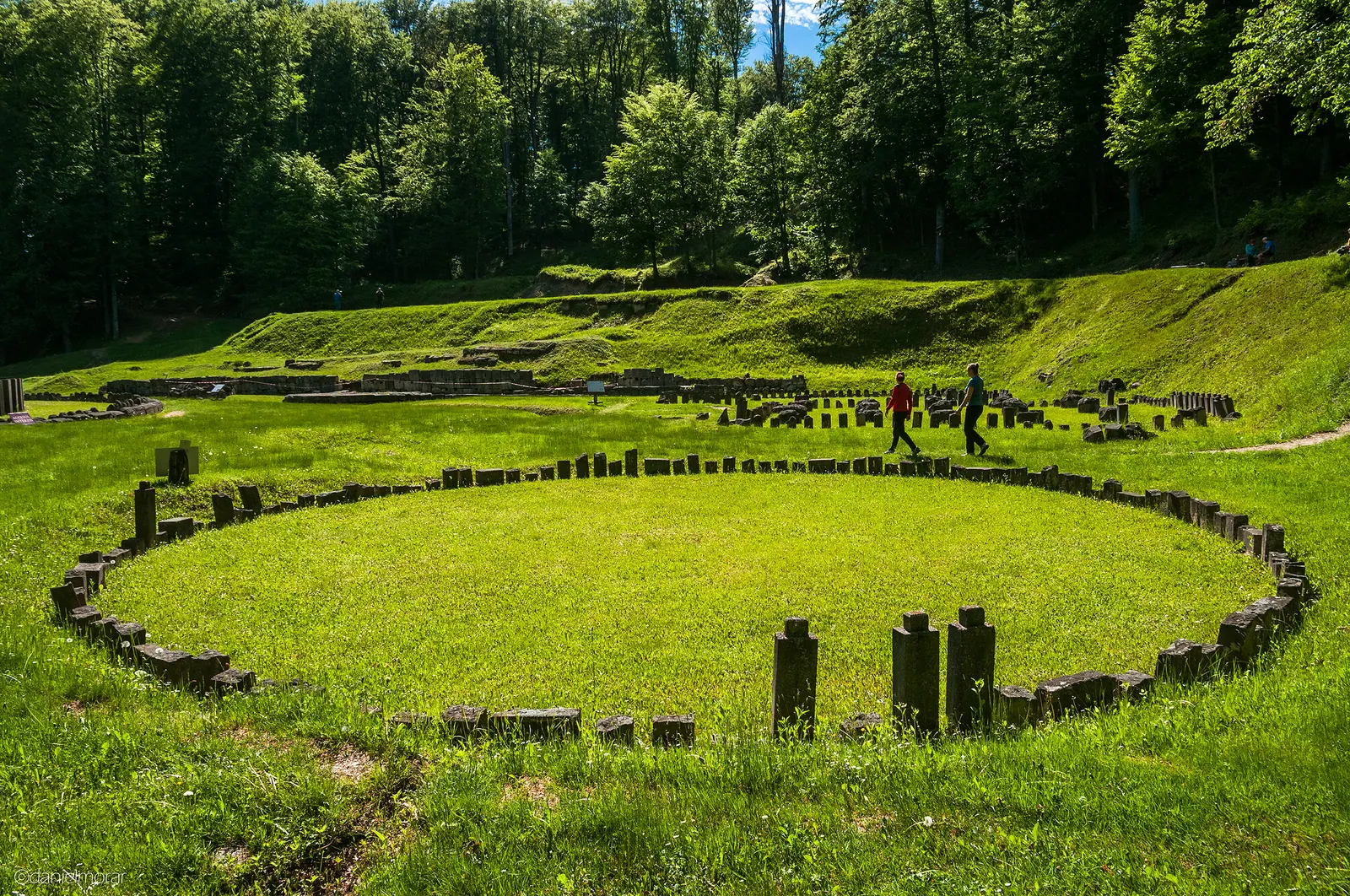
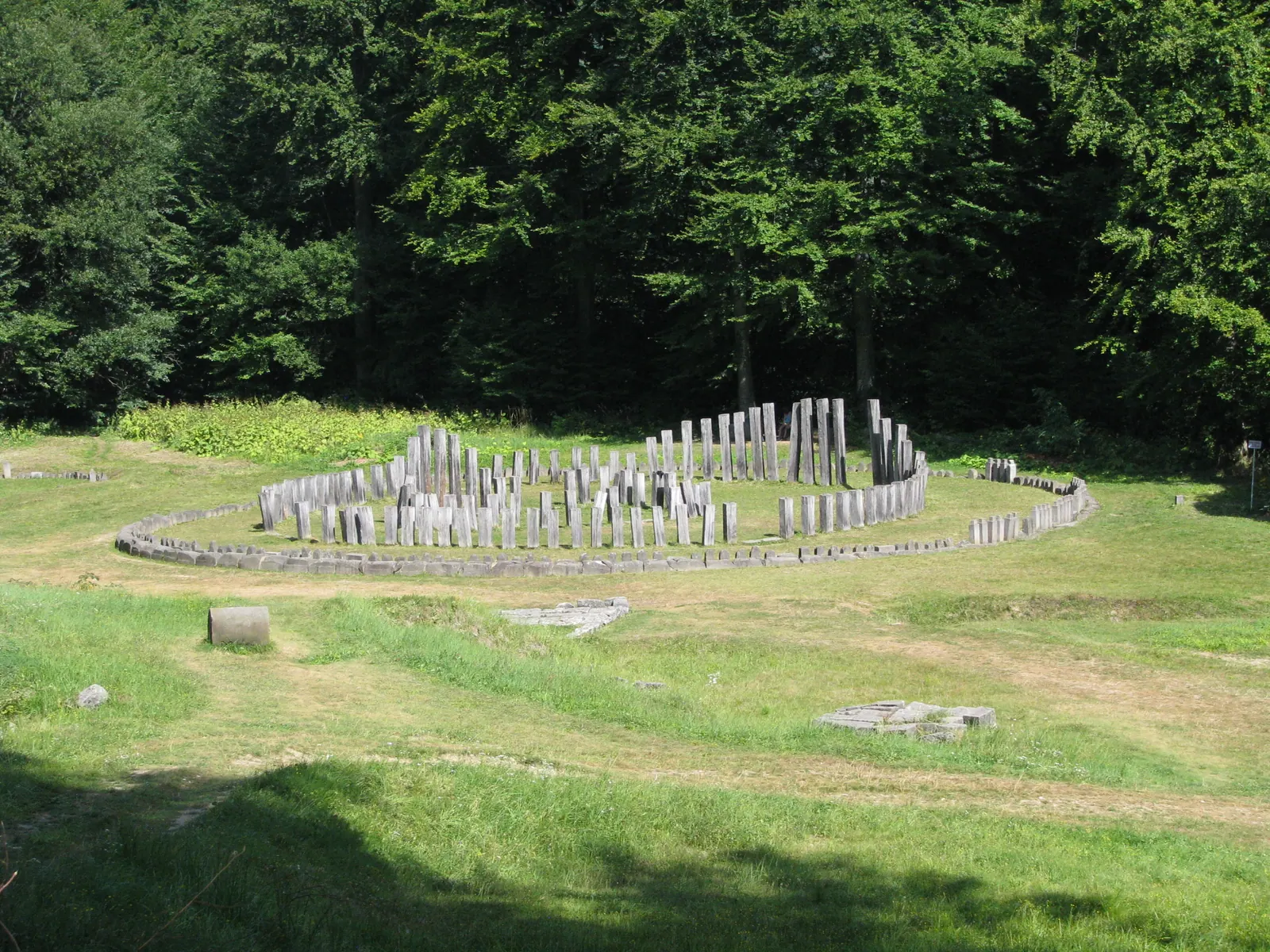
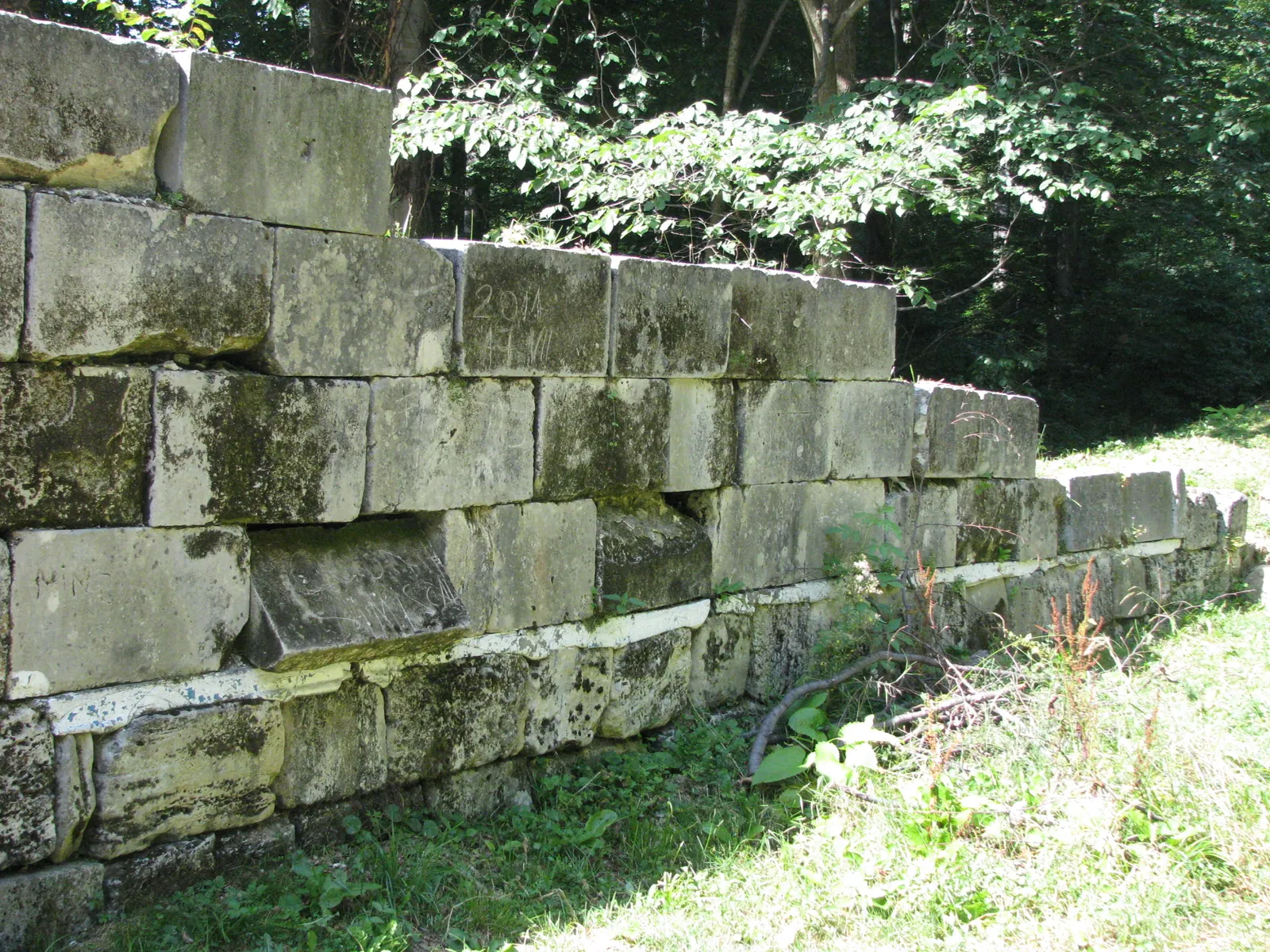
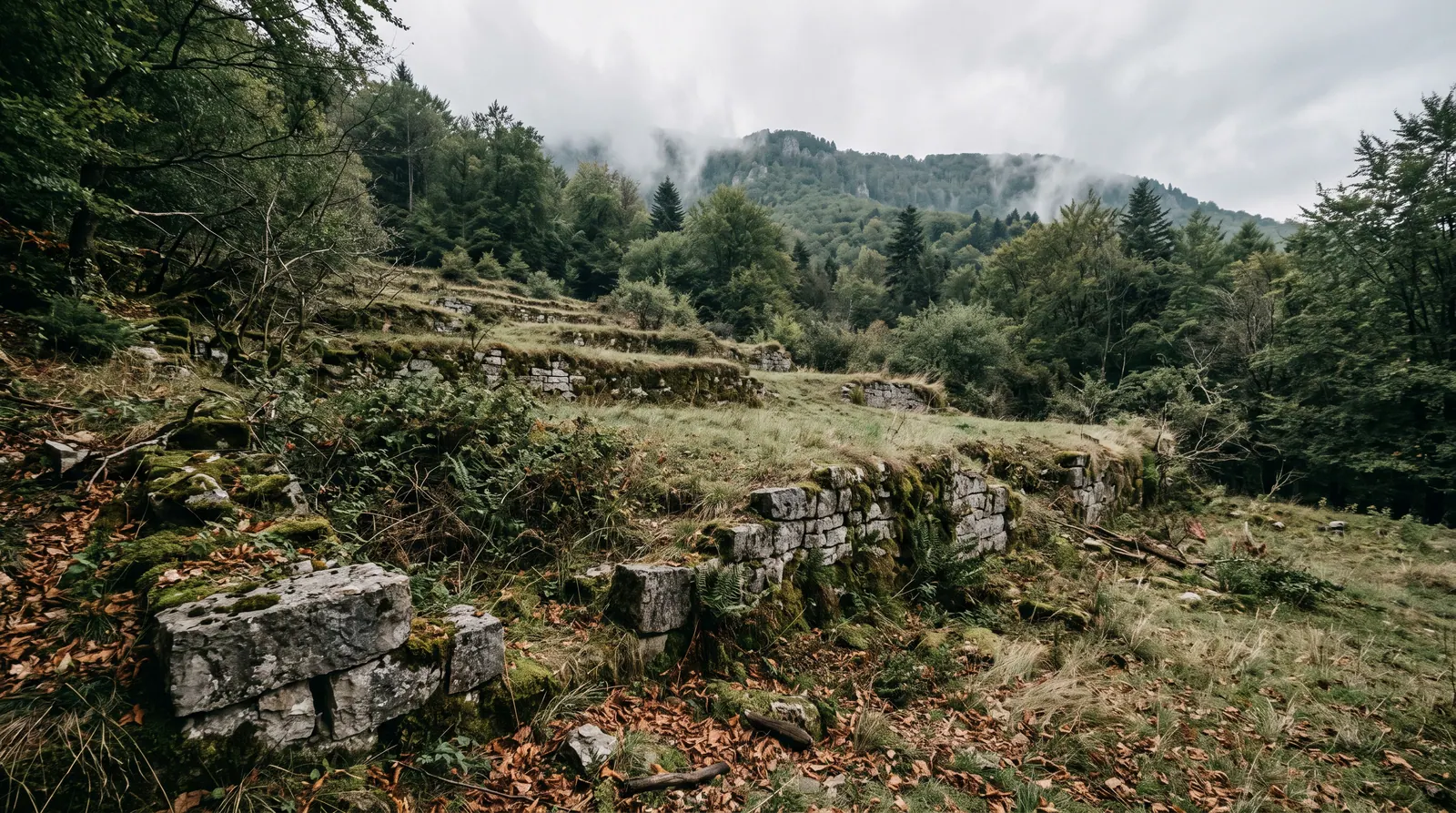
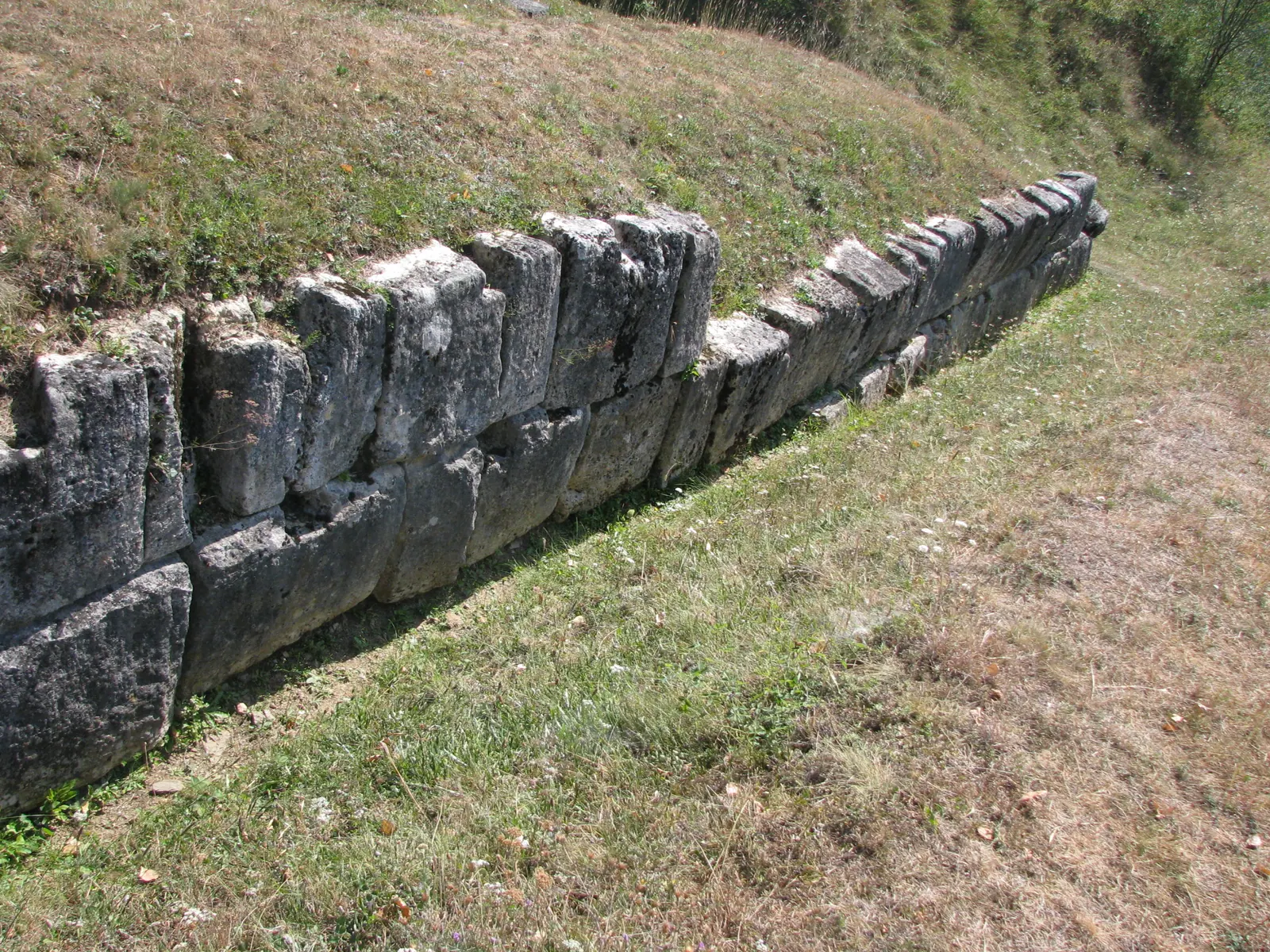
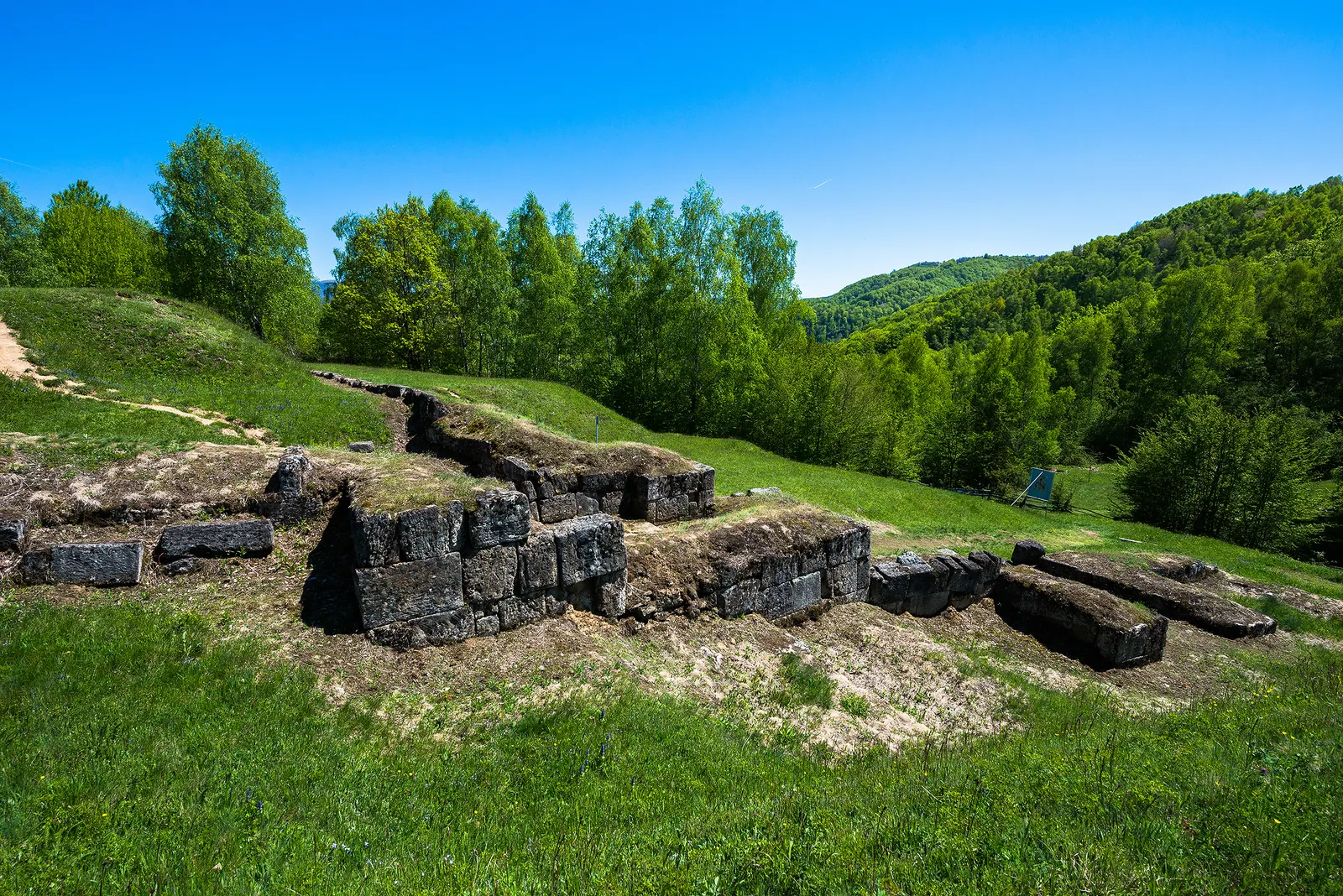
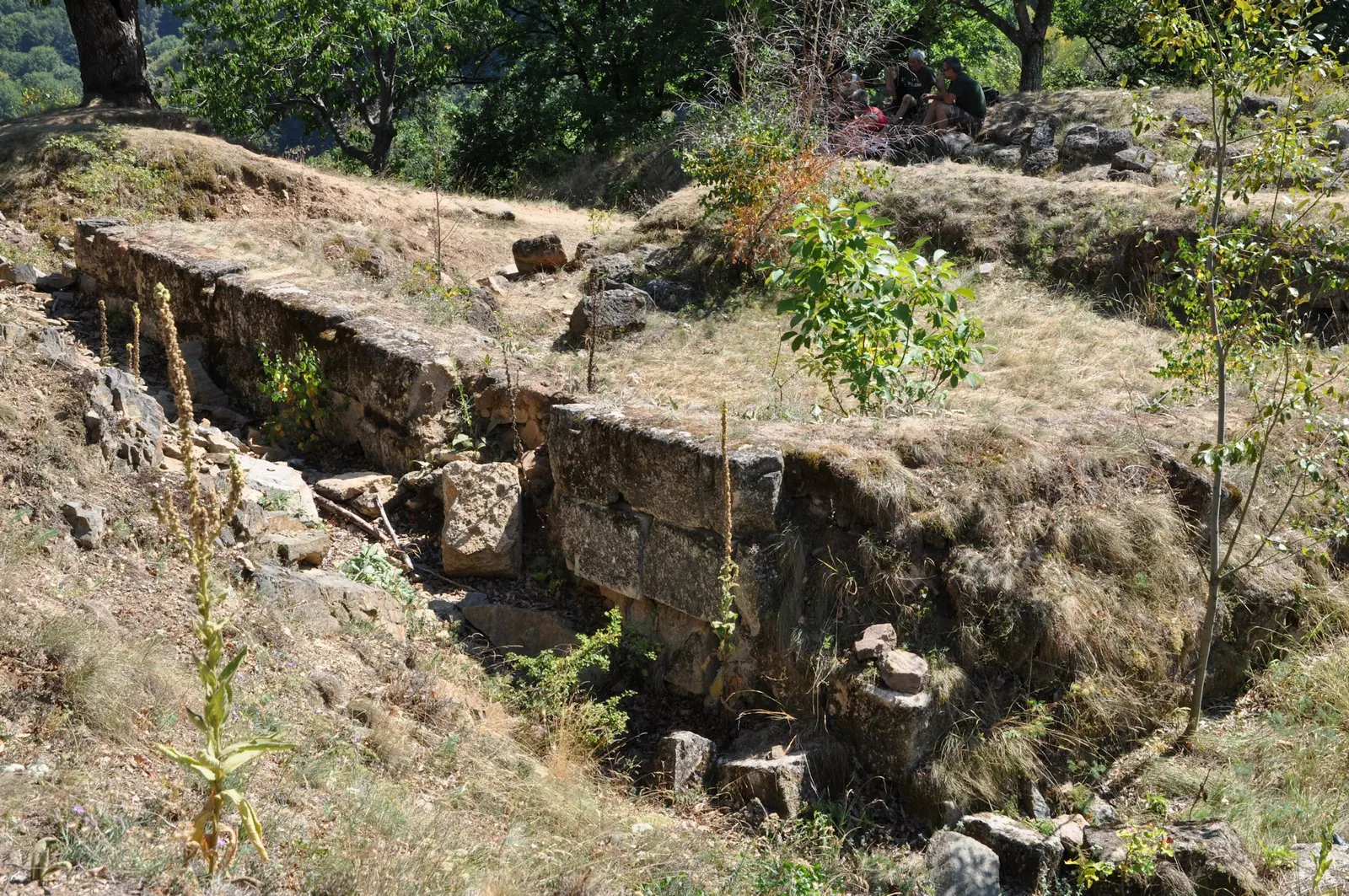
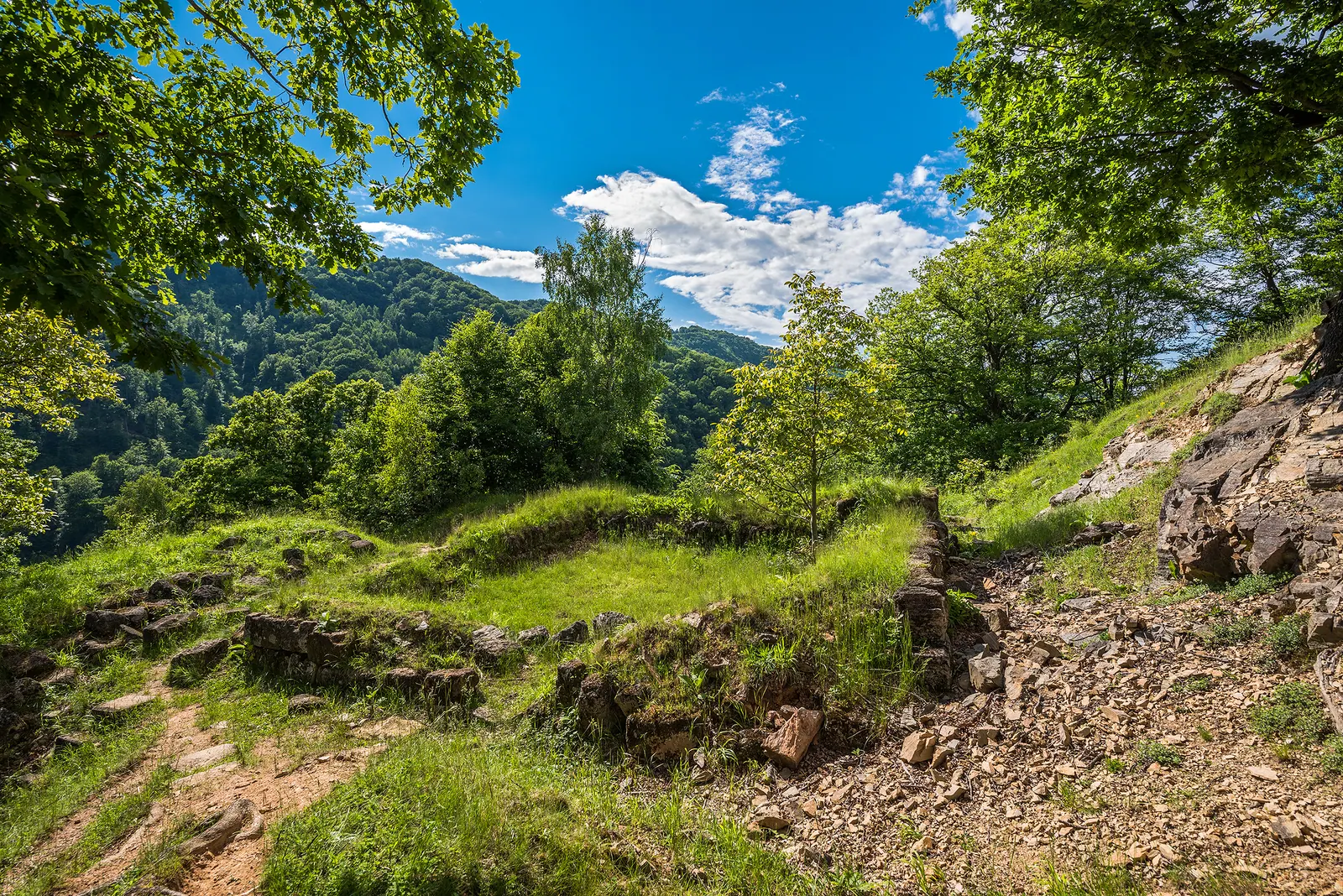
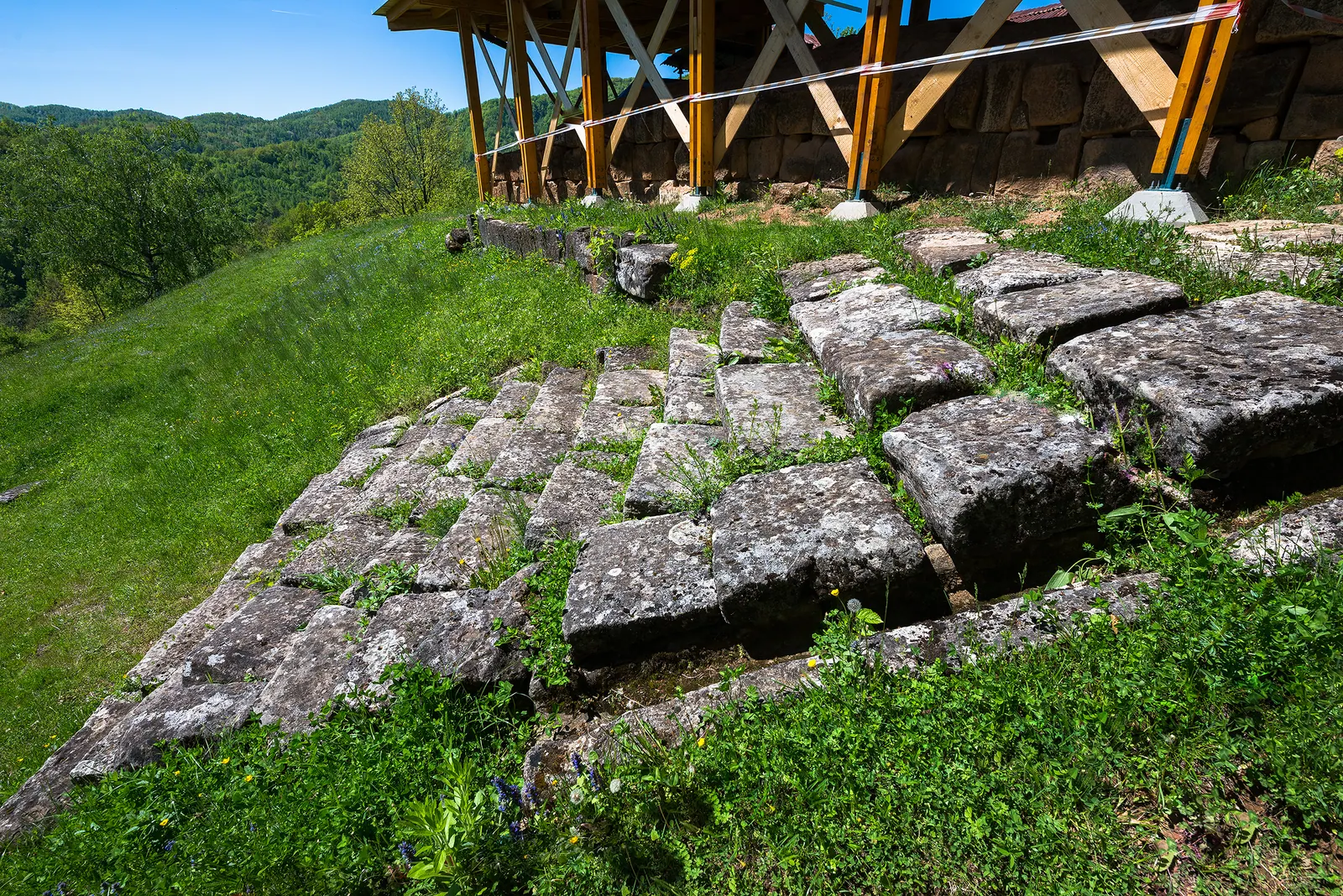
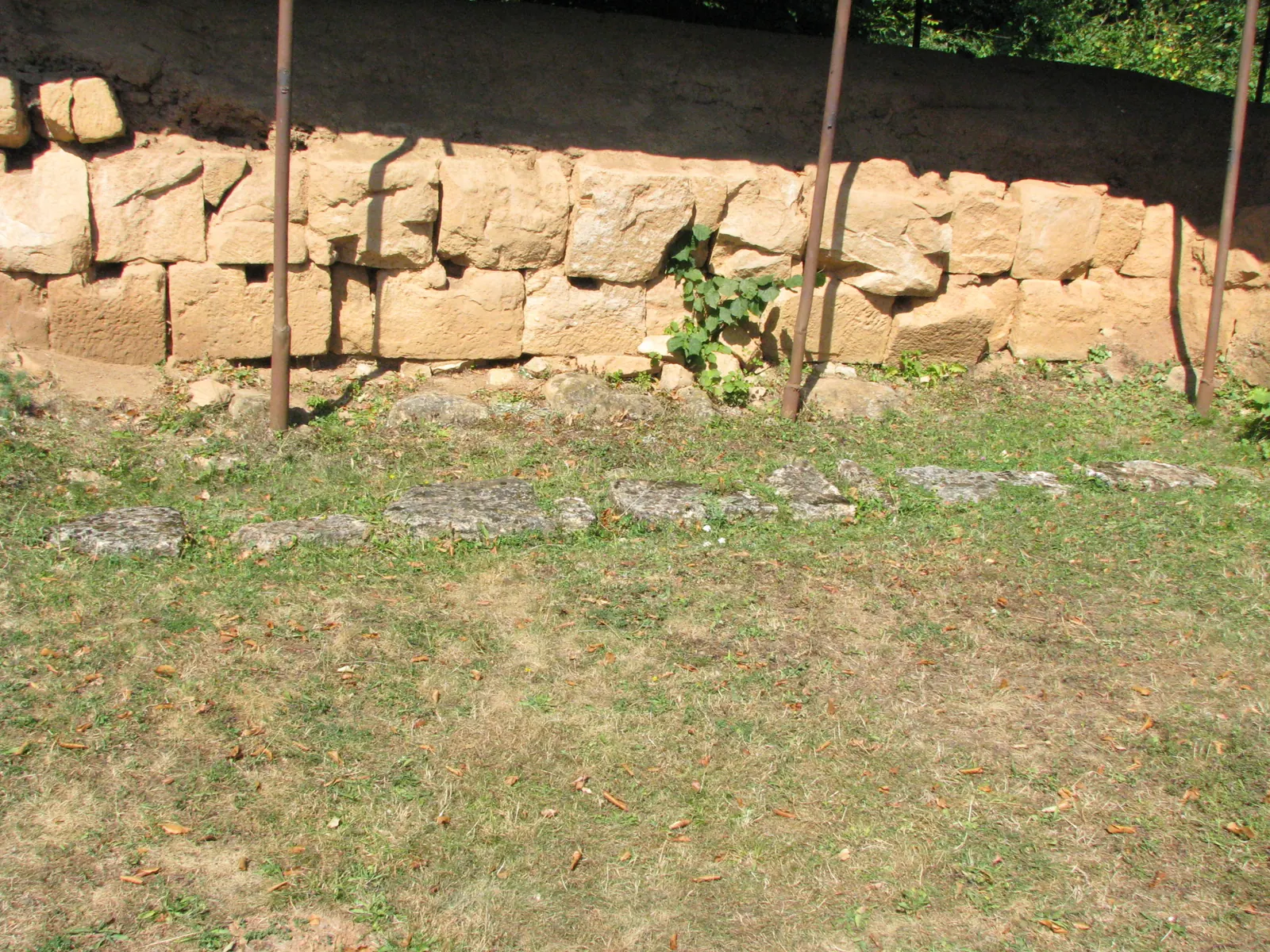
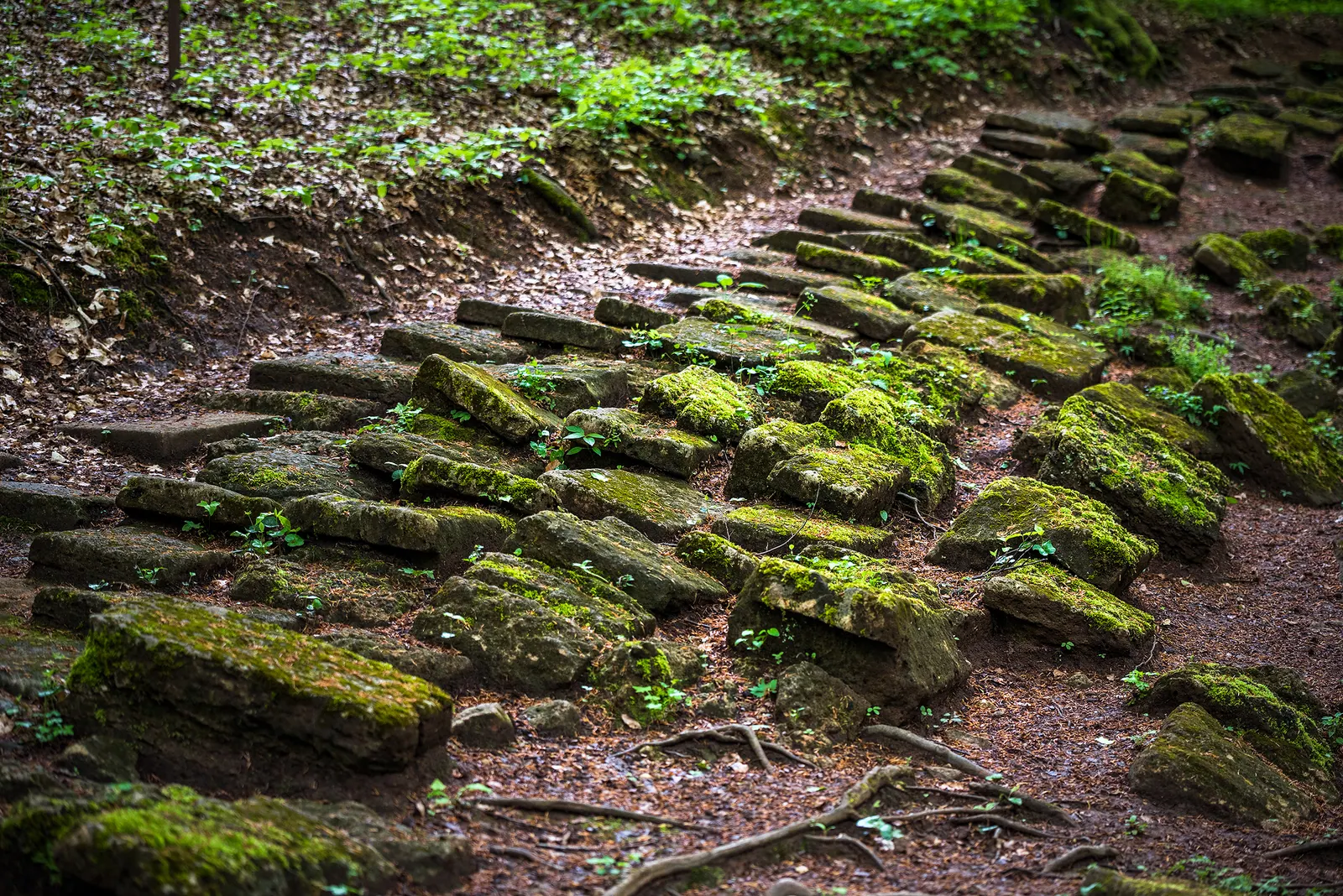
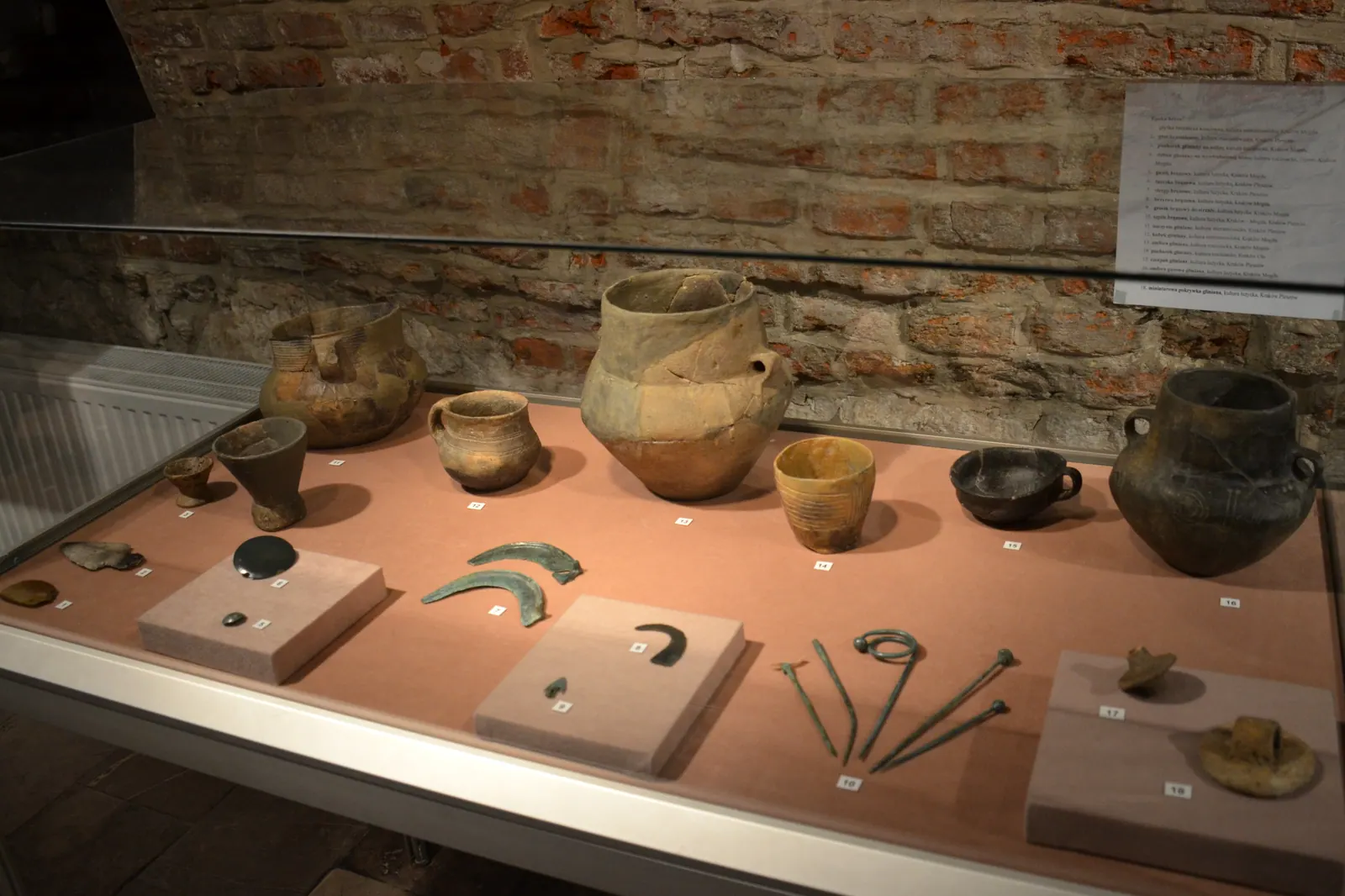
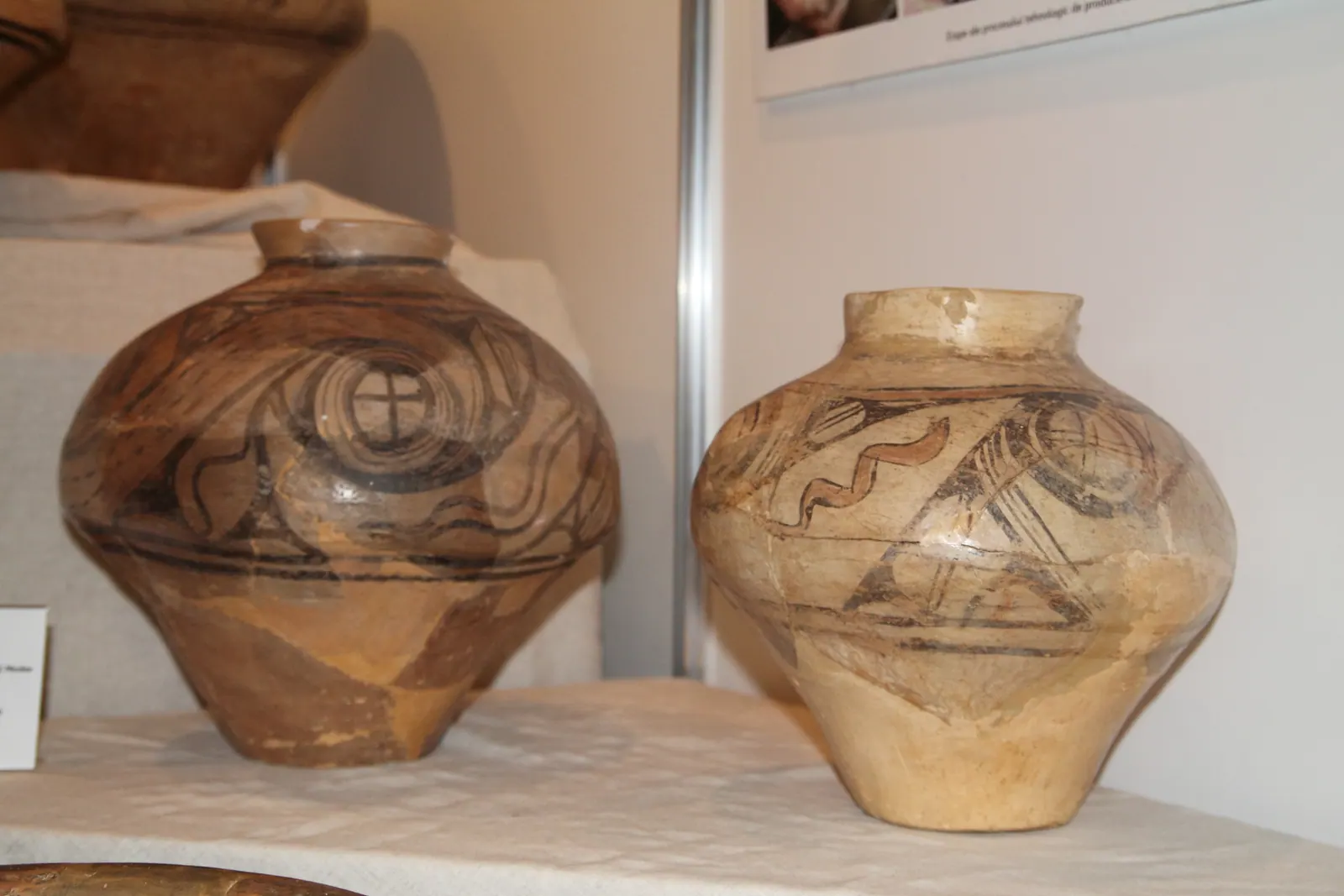
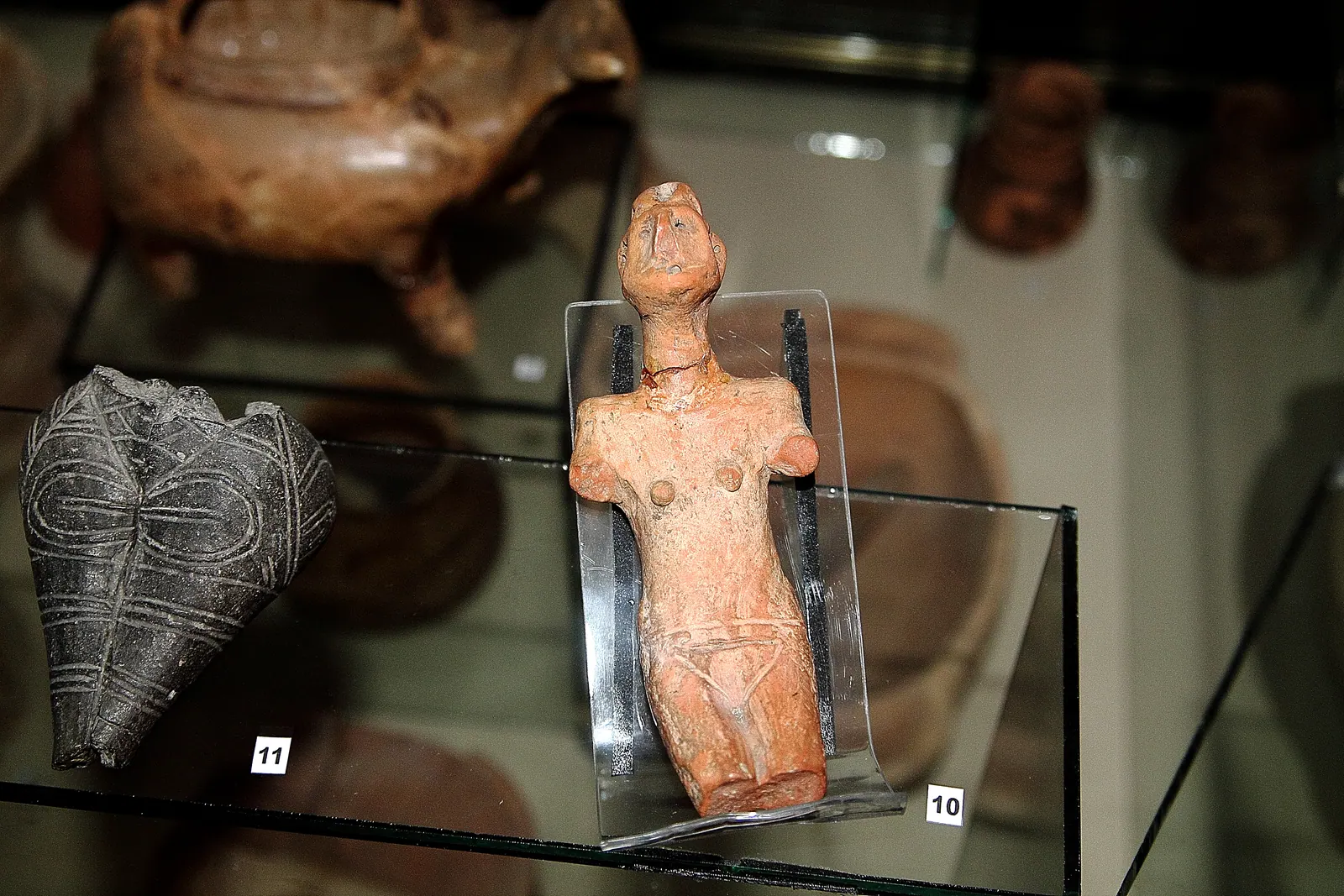
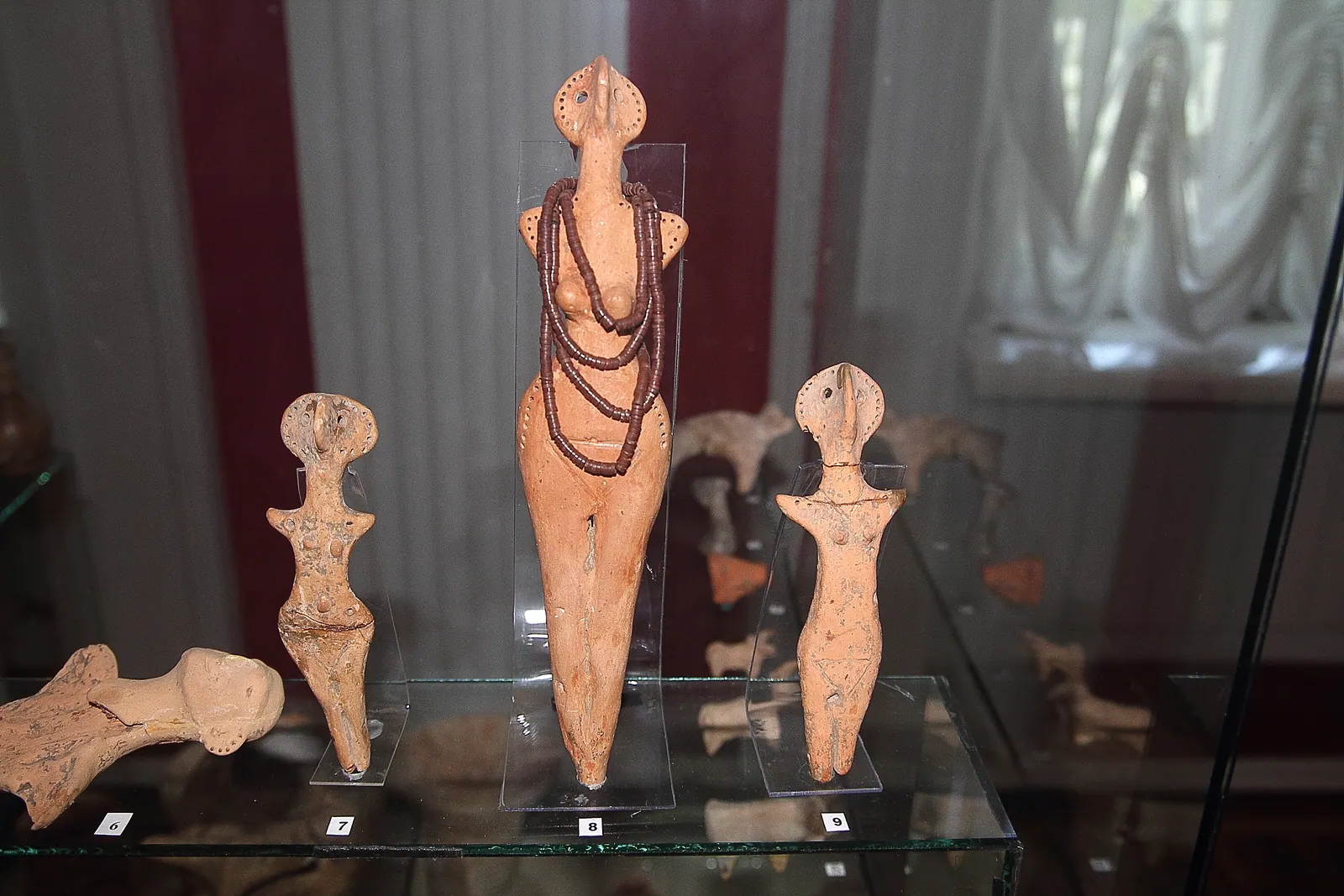
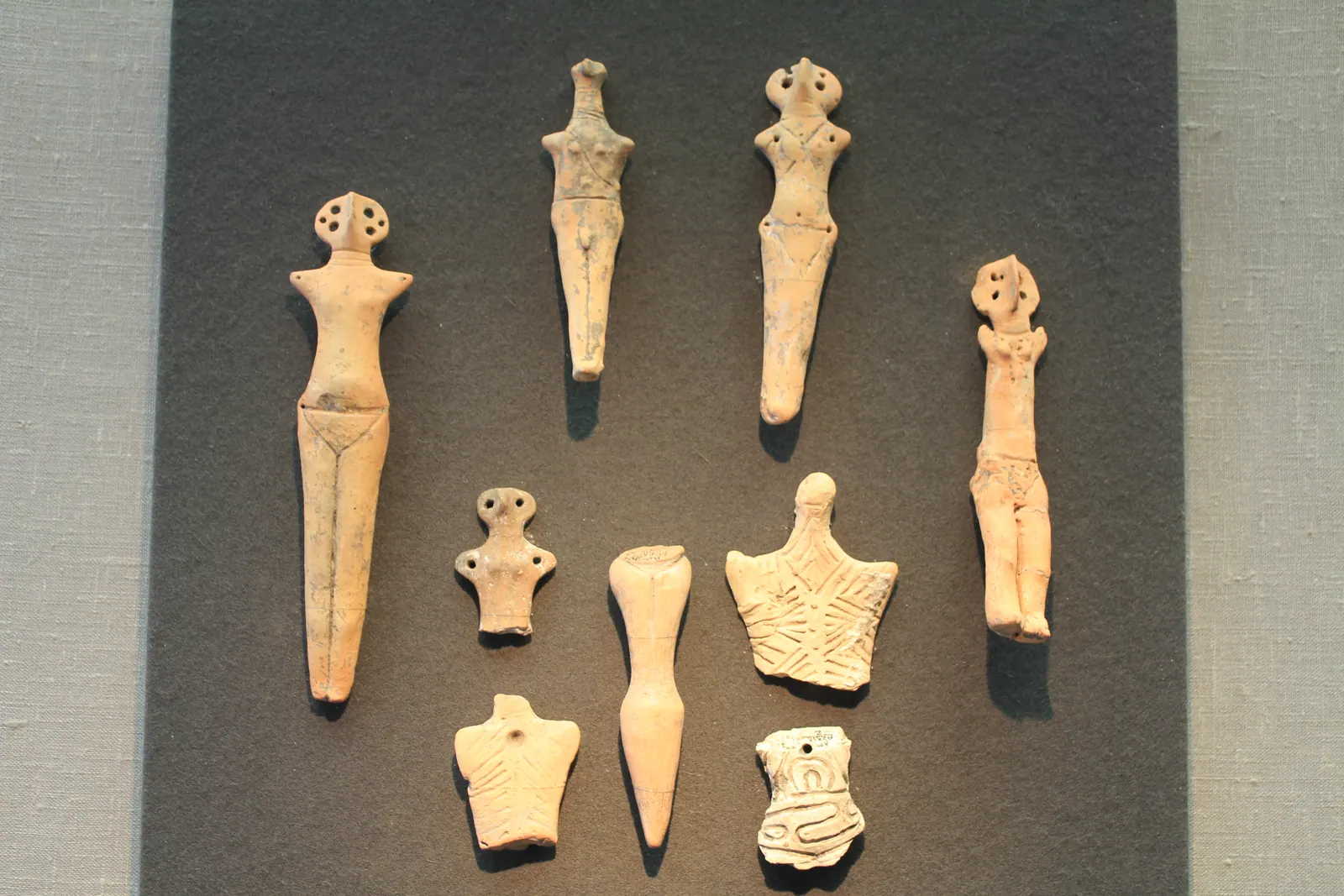

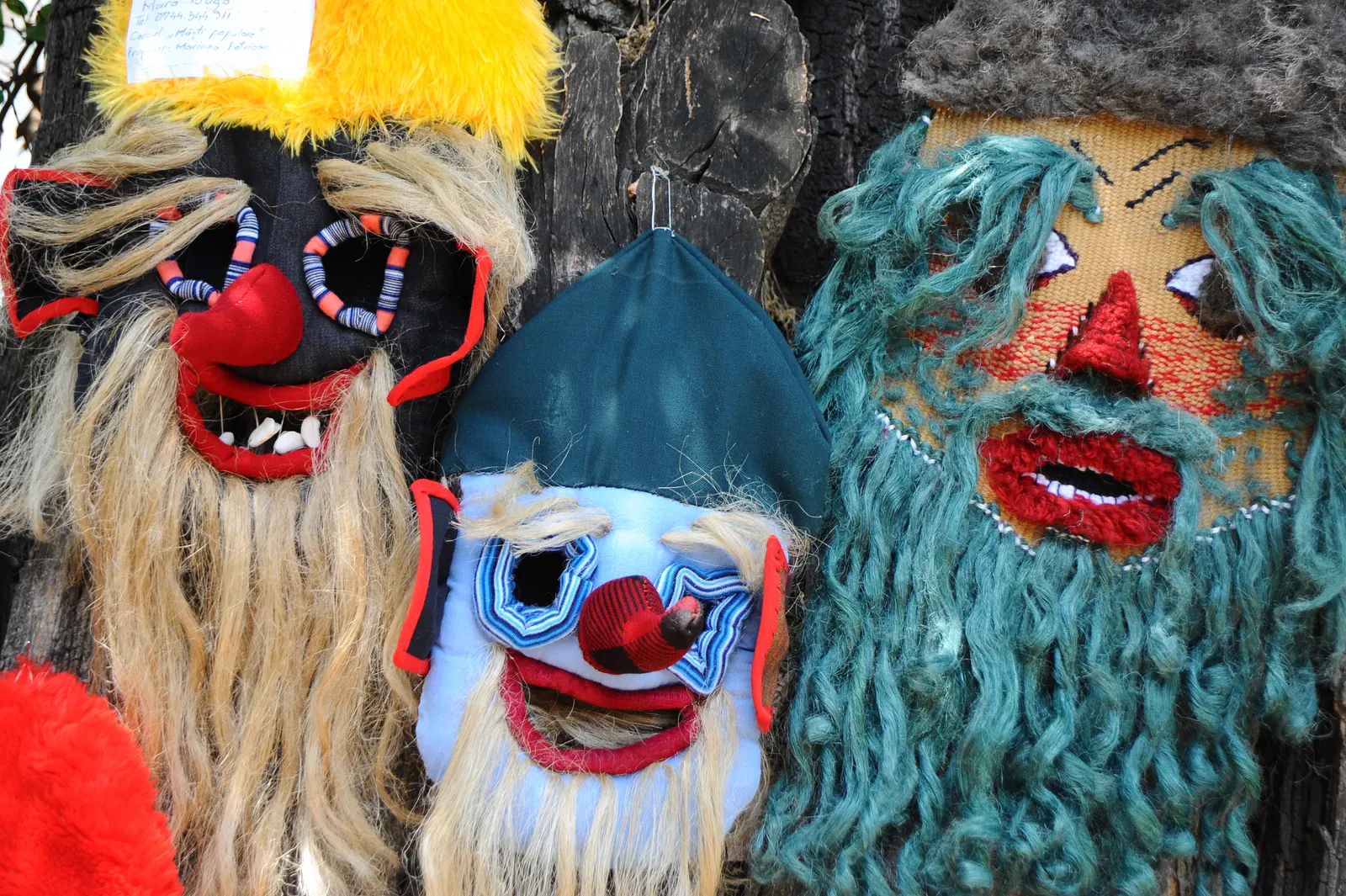
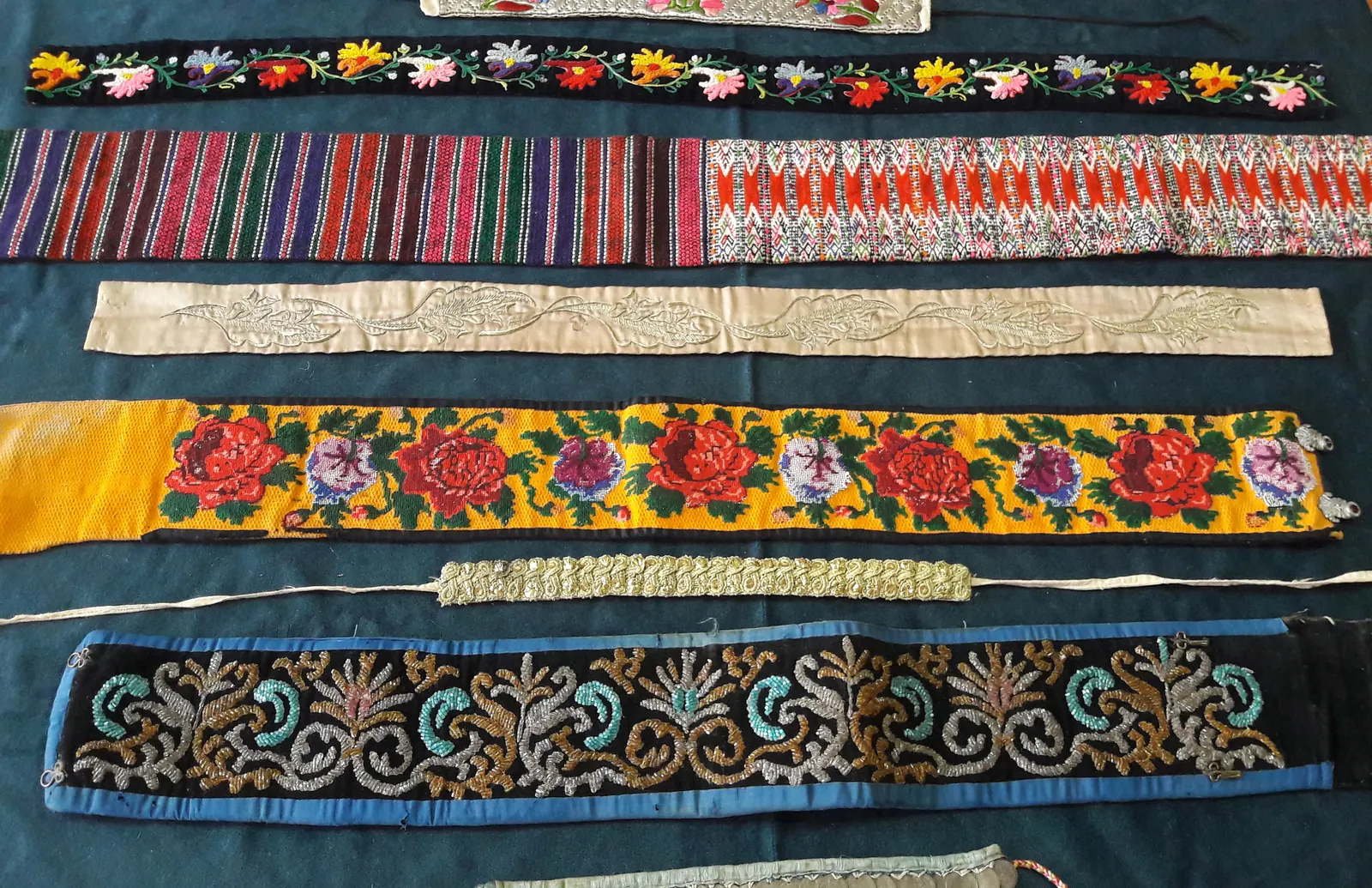
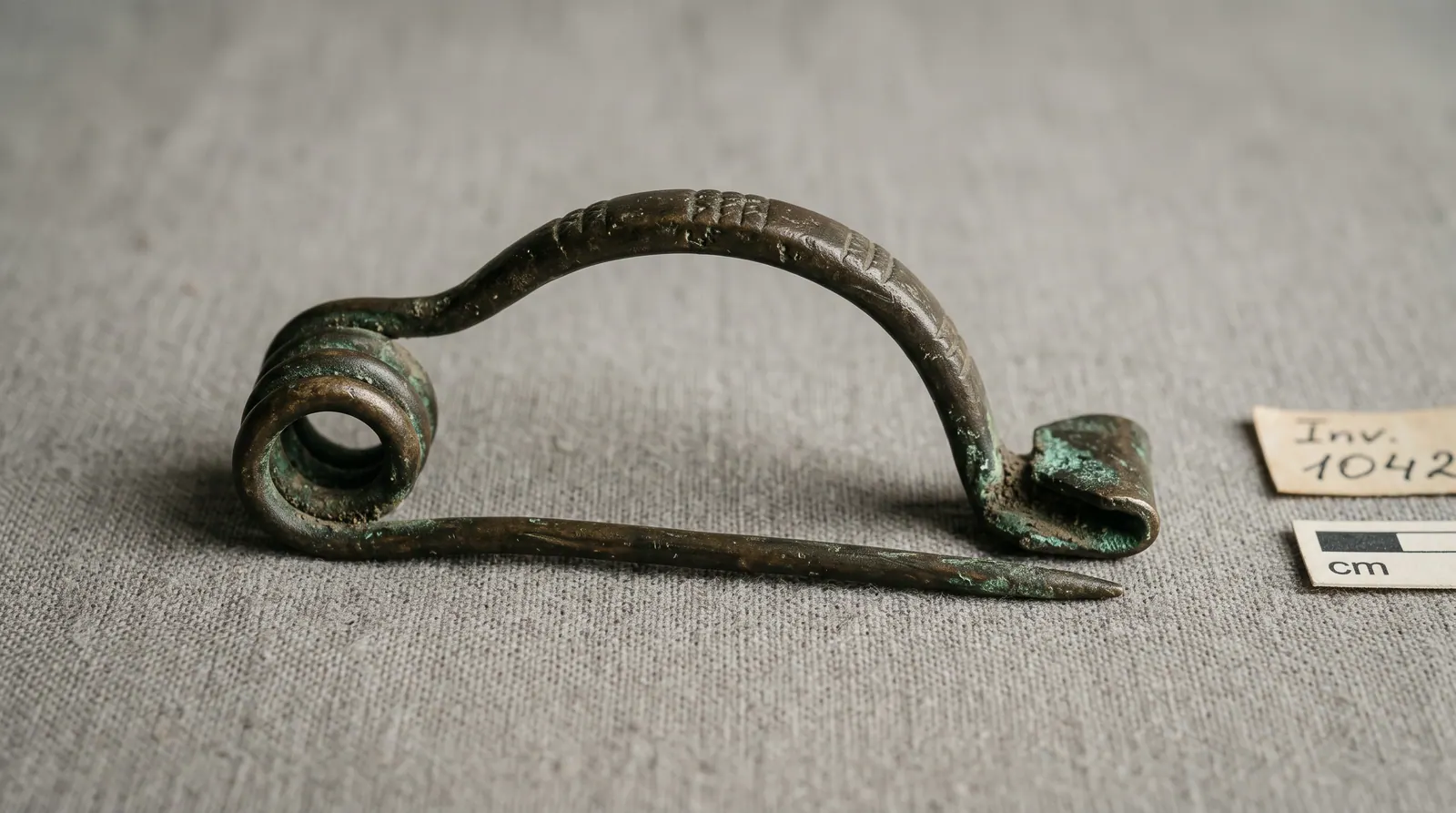
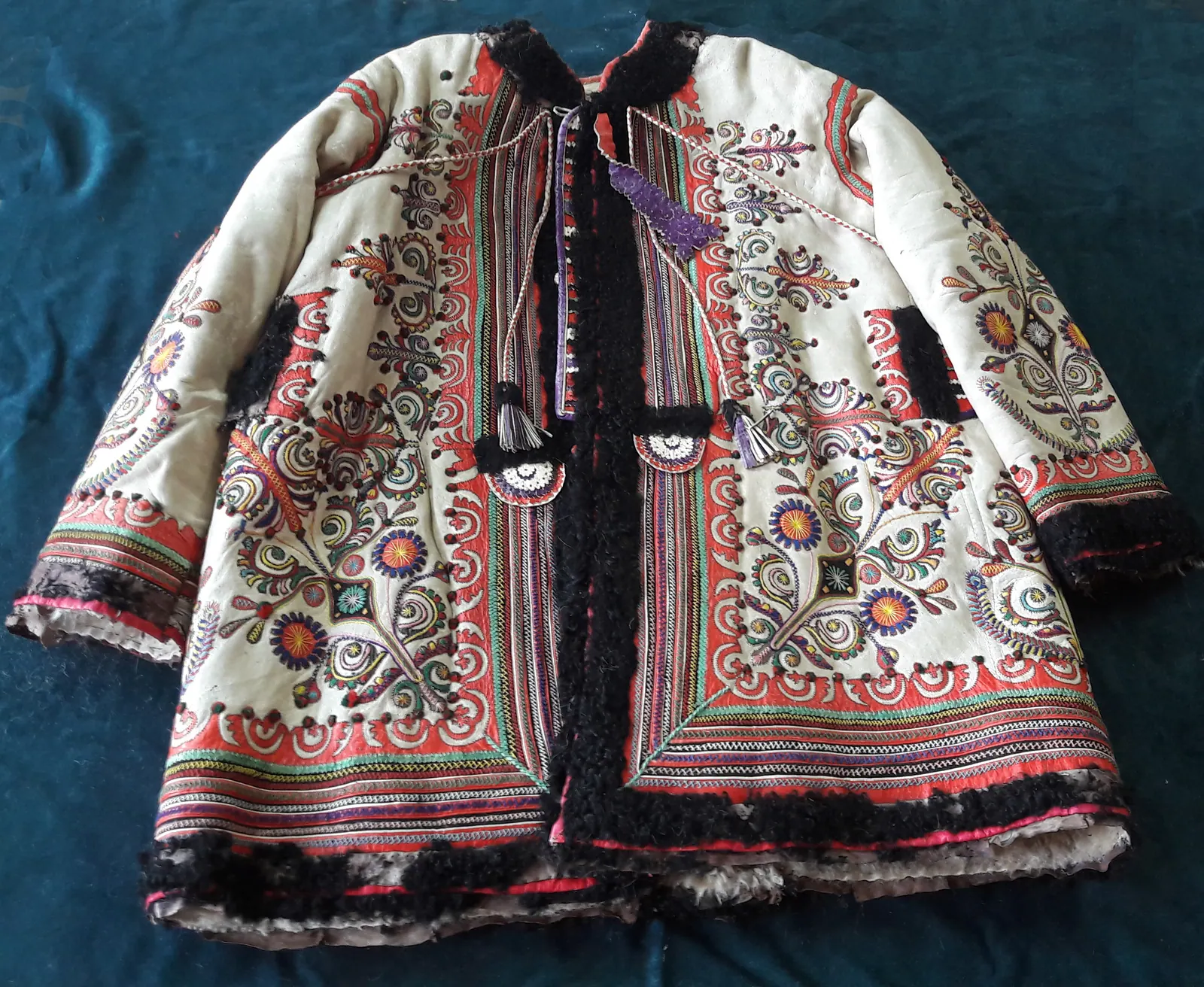
The history of the Dacians does not stop in books. It goes on in us.
In the eyes of those who look at the mountain with respect, in the simple gestures kept in traditions, in our wish to know our roots. Dacia is not only the past – it is a living memory, which still beats in the heart of this land.
“You cannot conquer a people who know their mountains, their roots and their gods.”
The experience is complete when the senses work together. Start the music and explore Dacia with an open heart, through sound, history and the spirit of a forgotten world that still whispers among ruins and legends.